Skin Works Medical Spa  |  Torrance & El Segundo, CA

You Have Tried to Move On.
The Scars Have Not.

Acne scars are not a cosmetic inconvenience. They are structural damage to your skin. Most treatments available today can address them, but only if the right tool is matched to the right scar. That is where we start.

Text ACNE SCARS to (844) 759-6757
All skin tones treated safely Board-certified plastic surgeons on team Torrance & El Segundo Free initial consultation
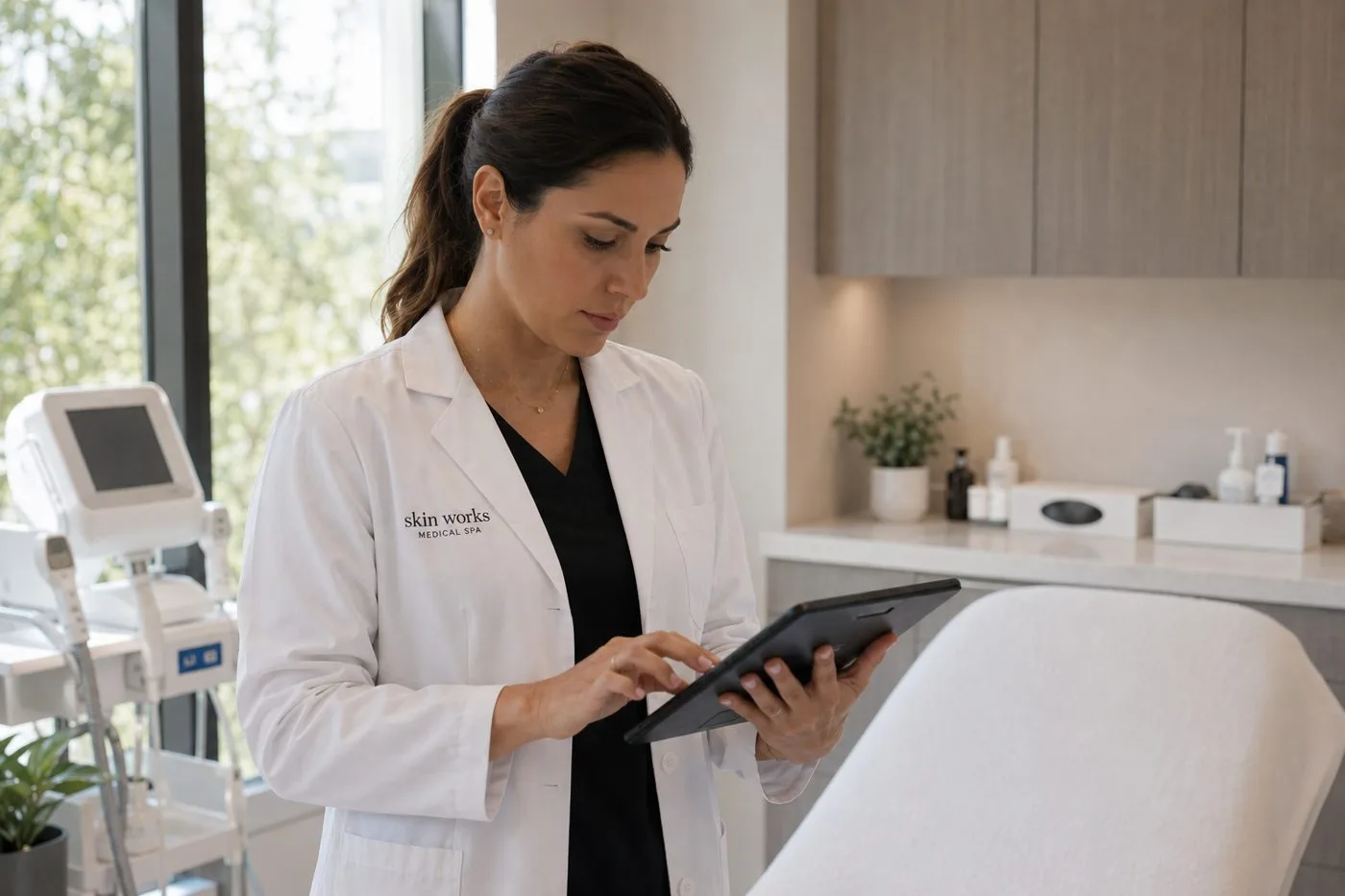
Acne scar treatment expert at Skin Works Medical Spa
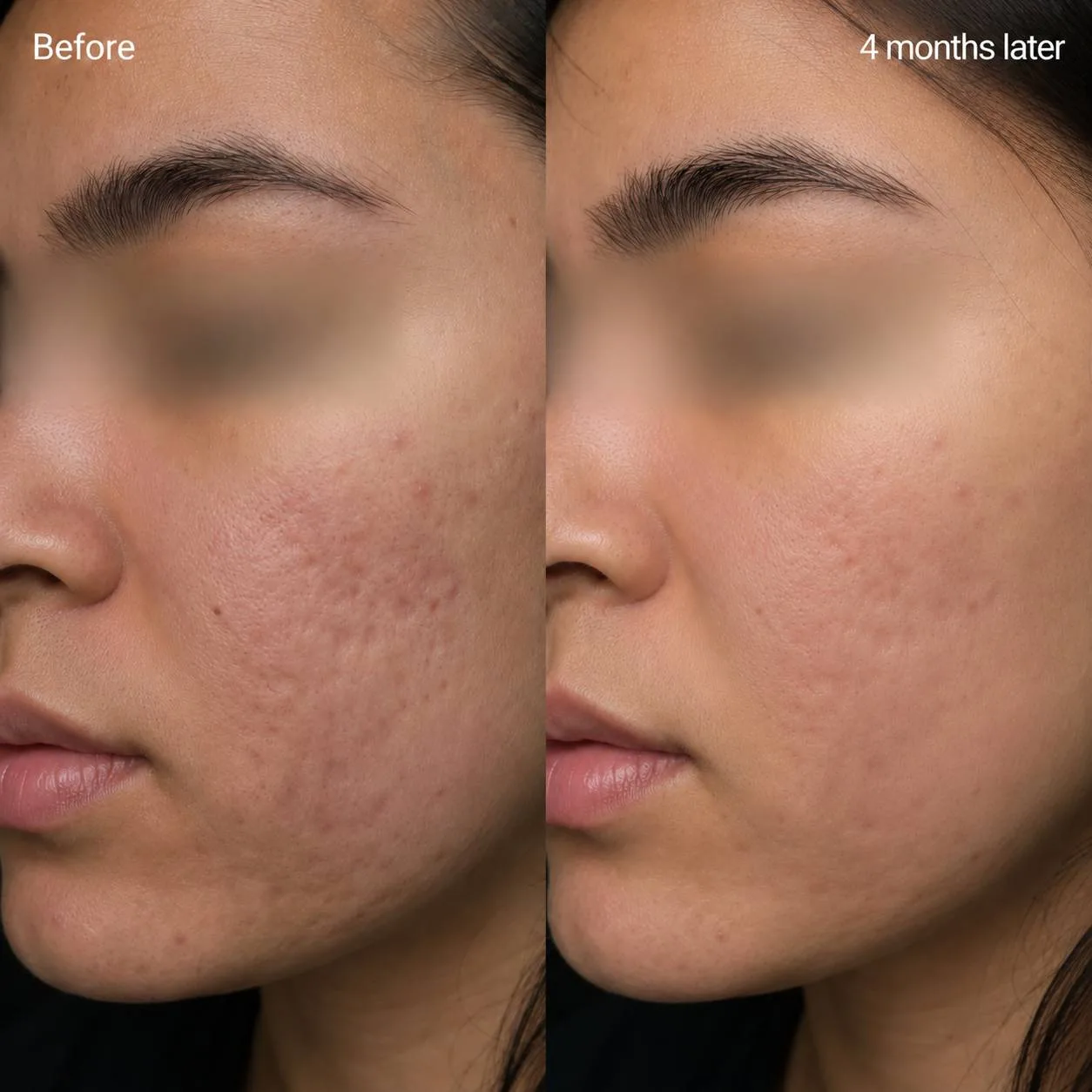
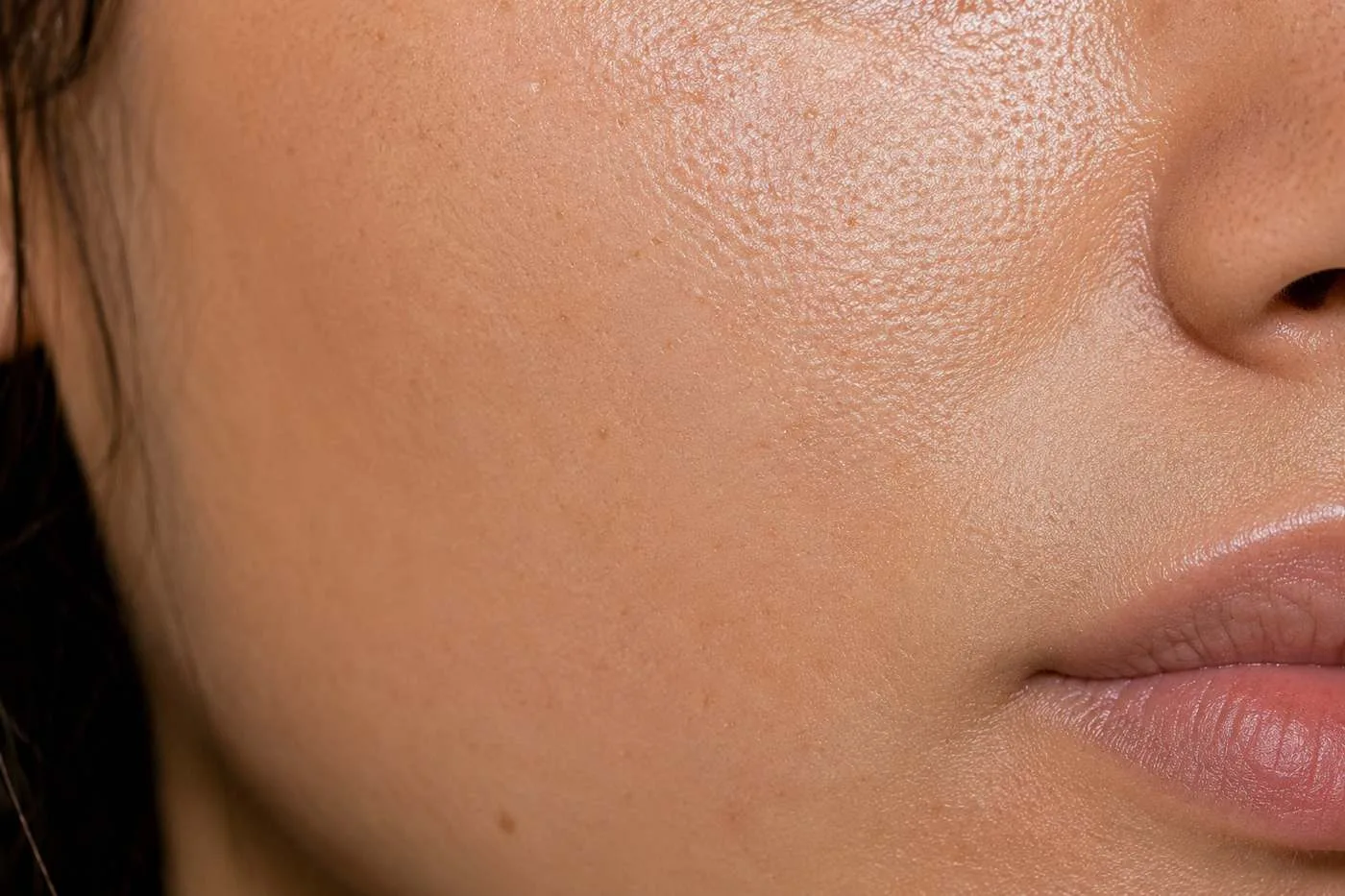
Skin texture after acne scar treatment
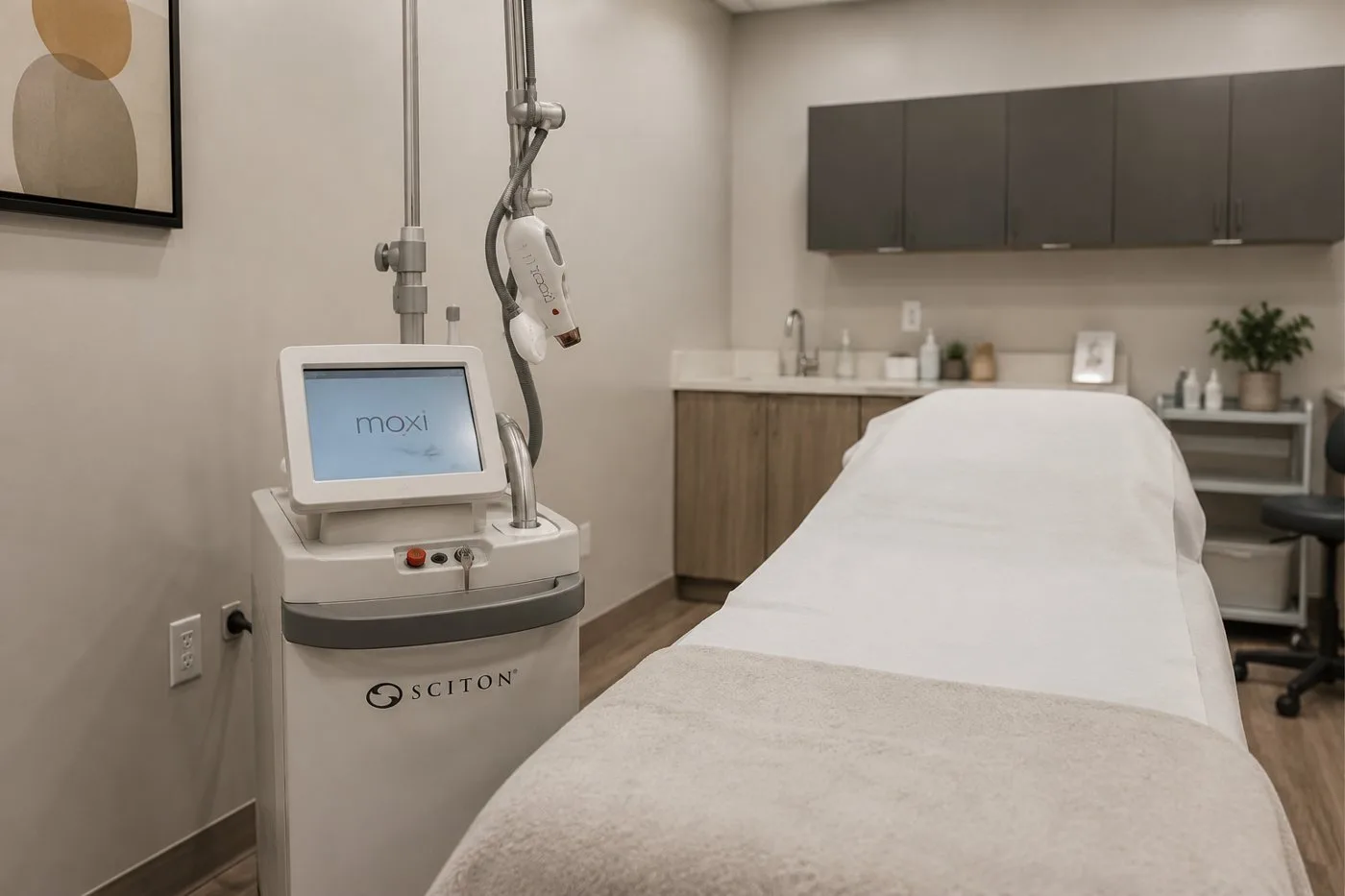
Medical spa treatment room at Skin Works

What patients tell us

Acne scars affect more than your skin.

They show up in photos you avoid, mirrors you walk past, and moments where confidence should not be the thing holding you back. People who have never had acne will never fully understand it. But we do, and we have seen what is possible when the right treatment is applied to the right scar.

01

"I avoid photos and certain lighting."

Texture and shadowing from scars become visible in ways that are hard to stop thinking about. This is one of the most common things patients describe on their first visit.

02

"I have tried everything and nothing worked."

Most over-the-counter products and light treatments address the surface only. Acne scarring is a structural problem that requires structural treatment. Surface-only approaches rarely deliver lasting results.

03

"I don't know where to start or who to trust."

There are a lot of claims in this space. What we offer is a free consultation where a provider examines your actual scars, explains what is driving them, and gives you an honest picture of what is possible.

04

"My skin tone makes me nervous about lasers."

Most of the treatments we use are safe for all skin tones including Fitzpatrick IV through VI. Your provider will only recommend what is appropriate for your skin. We will never suggest something that puts your skin at risk.

05

"I don't want temporary results."

Neither do we. Acne scar correction takes time and the right combination of tools, but the goal is permanent structural improvement, not a temporary surface change that fades in a few months.

06

"I just want to stop thinking about it."

That is a completely reasonable goal. You should not have to carry this. The first step is a conversation about what is actually possible for your skin, at no cost and no obligation.

Why most treatments underdeliver

Scars form deep. Treatment has to go there too.

Acne scars form when inflamed follicles damage skin at the dermal level. The body tries to repair the wound, but uneven collagen production leaves either depressions or raised tissue that no surface treatment can fully reverse.

Most providers offer one or two tools and fit patients into those options. We work the other direction: identify the scar type, assess the skin, and build a plan from the full range of what is available, including treatments that require surgical expertise.

Published research on acne scar pathophysiology (NIH) consistently shows that combination approaches outperform single-modality treatment across all scar types.

  • Every plan is built around your specific scar pattern and skin type
  • We treat all scar types: icepick, boxcar, rolling, hypertrophic, and keloid
  • All skin tones treated safely, including Fitzpatrick IV through VI
  • Our laser suite covers ablative, non-ablative, and picosecond technology
  • Board-certified plastic surgeons contribute when structural reconstruction is part of the answer
  • Fat grafting available for cases requiring volume-level tissue repair
  • Financing available so cost does not become the reason you delay

Know what you are dealing with

Not all acne scars are the same

Scar type determines which treatments are relevant and in what order they should be applied. The American Academy of Dermatology recognizes these as clinically distinct categories requiring different approaches.

Icepick Scars

Narrow, deep channels extending into the dermis. Often mistaken for enlarged pores. Among the most challenging to correct, typically requiring targeted chemical reconstruction or excision before any resurfacing can take full effect.

Boxcar Scars

Broad, flat-bottomed depressions with sharp defined edges. Structural volume loss is often involved, making resurfacing alone insufficient for deeper presentations.

Rolling Scars

Wavy, soft depressions caused by fibrous bands tethering the skin downward from underneath. The tethering itself must be addressed before surface-level treatments can work at full capacity.

Hypertrophic Scars

Raised, firm tissue that stays within the original wound boundary. A different mechanism than atrophic scars, requiring treatments that soften and flatten rather than resurface or fill.

Keloid Scars

Raised scars that extend beyond the original wound boundary. Tend to be more resilient and require a staged, carefully sequenced approach to reduce and stabilize.

Post-Inflammatory Hyperpigmentation

Dark marks remaining after acne heals. Not a structural scar, but commonly treated alongside scarring. Highly responsive to the right light-based and chemical treatments across all skin tones.

What is available

How acne scars get corrected

There is no single treatment for acne scars. What follows is the full range of what we have available. Which of these are relevant to you, in what combination or sequence, is something only a proper consultation can determine.

Laser  · Ablative

Fractional CO2 and Erbium Laser

Ablative lasers remove the outer layer of skin in a controlled way, triggering the body to regenerate healthier skin from below. The process also stimulates significant collagen production, which can fill in depressed scars over time. CO2 laser works at a deeper level with more aggressive collagen induction. Erbium is more precise with less thermal effect on surrounding tissue. Both are strong options for non-pigmented scars on lighter skin tones, and both require some recovery time after each session. Fractional CO2 at Skin Works.

Laser  · Picosecond

Pico Laser

Pico lasers deliver ultra-short bursts of energy measured in trillionths of a second. At that speed, the energy shatters pigment into particles the body can clear naturally, while also stimulating collagen through a photoacoustic effect rather than heat. This makes pico laser uniquely effective for pigmented acne scars and post-inflammatory hyperpigmentation, and safe across all skin tones including darker complexions where heat-based lasers carry more risk. Pico laser at Skin Works.

Laser  · Non-Ablative

Non-Ablative Laser Resurfacing

Non-ablative lasers heat tissue beneath the skin surface without removing the outer layer. The skin stays intact, meaning less downtime and safer use across a broader range of skin tones. The energy stimulates collagen remodeling at the dermal level where scarring originates. Devices in this category include Nd:YAG at 1064nm, Fraxel at 1550nm, and Clear and Brilliant, each with different depth profiles depending on what the scar pattern calls for.

Energy-Based

Radiofrequency Microneedling

Radiofrequency microneedling combines two mechanisms: fine needles create controlled micro-injuries that activate the skin's healing response, while radiofrequency energy is delivered through those needles into the deeper dermis to stimulate collagen and elastin. The combination reaches tissue at the depth where scarring lives. It is safe for all skin tones and has become one of the most widely used approaches in acne scar revision for exactly that reason. Results build progressively over months as new collagen forms.

We work with Morpheus8, Potenza, and Pixel-8 RF microneedling systems, covering the full range of depth, intensity, and skin type applications. The device used is matched to the scar type and skin being treated. RF microneedling at Skin Works.

Chemical

Medical-Grade Peels and TCA Cross

Medical-grade chemical peels resurface the skin by removing damaged outer layers and prompting new cell turnover. Formulas are calibrated to address specific concerns such as pigmentation, texture, or mild atrophic scarring. TCA Cross is more targeted: trichloroacetic acid is placed with precision into the base of individual icepick scars, triggering focused collagen synthesis at the scar floor. It is one of the most effective approaches for icepick scars specifically and is often combined with resurfacing treatments. Chemical peels at Skin Works.

Injectable Filler

Bellafill

Bellafill is the only FDA-approved dermal filler indicated specifically for acne scars. It consists of a collagen base combined with PMMA microspheres, a material the body does not absorb. The collagen provides immediate structural volume under a depressed scar, while the microspheres continue stimulating the body's own collagen production over time. Results can last up to five years. It is particularly useful for atrophic scars where surface treatments alone cannot restore the lost volume. Bellafill at Skin Works.

Procedural

Subcision

Subcision uses a small needle inserted beneath the skin to sever the fibrous bands that tether rolling scars downward. Once those bands are released, the skin is no longer being pulled and the natural lift begins. No resurfacing treatment, regardless of how advanced, can fully correct a scar being held down by internal tissue. Subcision is often the step that makes everything else work, and it is frequently absent at practices that do not specialize in scar revision.

Procedural

Scar Excision

Some scars, particularly deep icepick scars, extend far enough into the dermis that no surface treatment can reach them effectively. The scar tissue can be physically removed using a small circular punch tool under local anesthesia. The wound is then closed directly or filled with a small donor skin graft, typically from behind the ear. Once healed, resurfacing addresses the remaining texture. This is a precise, targeted intervention for specific scar types rather than a broad-coverage approach.

Surgical  · Plastic Surgeon

Fat Grafting

Fat grafting, sometimes referred to as nanofat grafting, uses the patient's own tissue to restore volume and support regeneration in areas where scarring has caused structural loss. A small amount of fat is harvested, refined into a fine injectable concentrate, and placed precisely into the scarred tissue. Because the material is the patient's own, there is no risk of rejection and the regenerative benefit exceeds what any synthetic filler can provide.

This procedure is performed by Dr. Jacobson of Adonis Plastic Surgery, a board-certified plastic surgeon with specialized reconstructive expertise. When fat grafting or any surgical-level correction is part of your plan, it is Dr. Jacobson who carries that step out, coordinated directly with the Skin Works team so nothing is managed separately on your end.

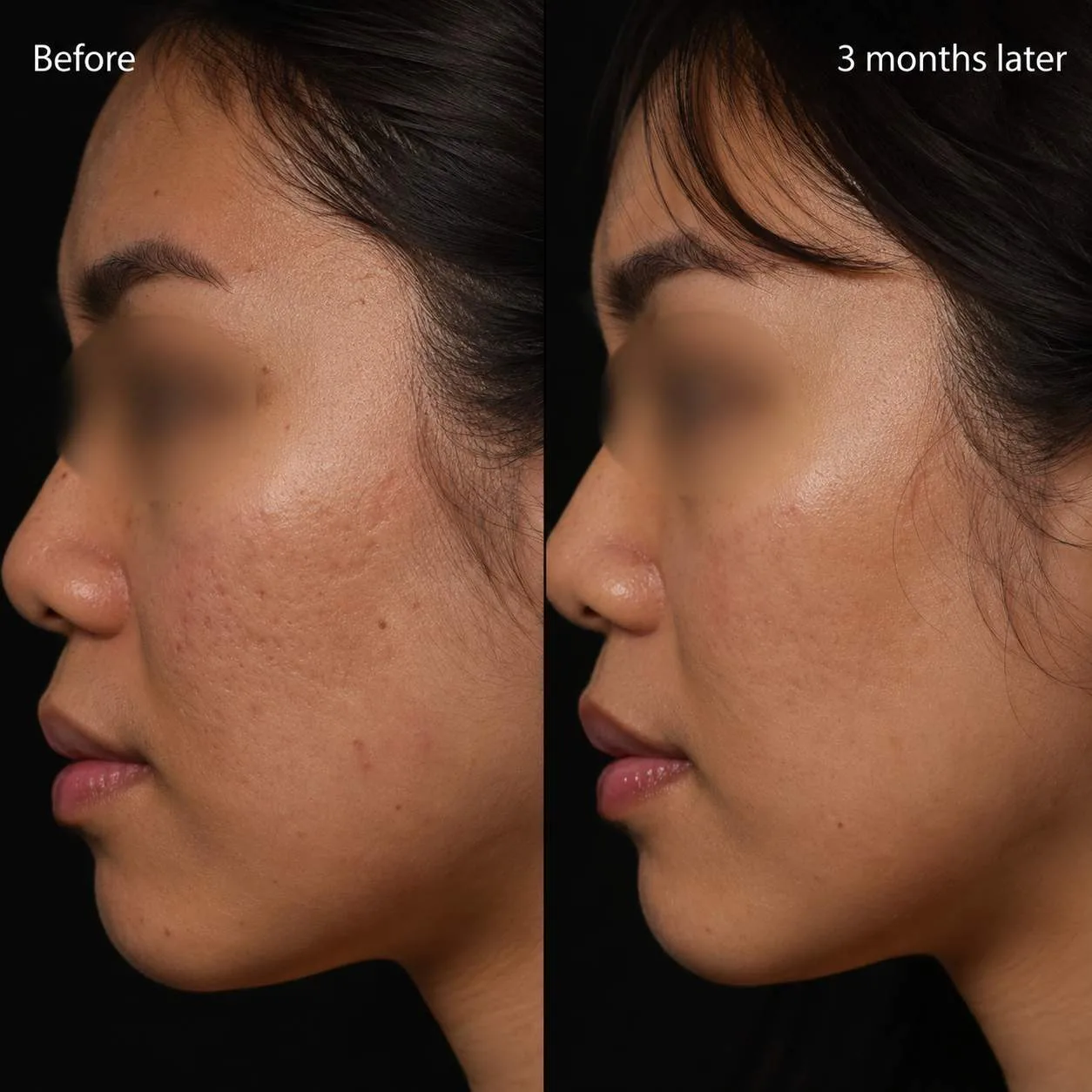
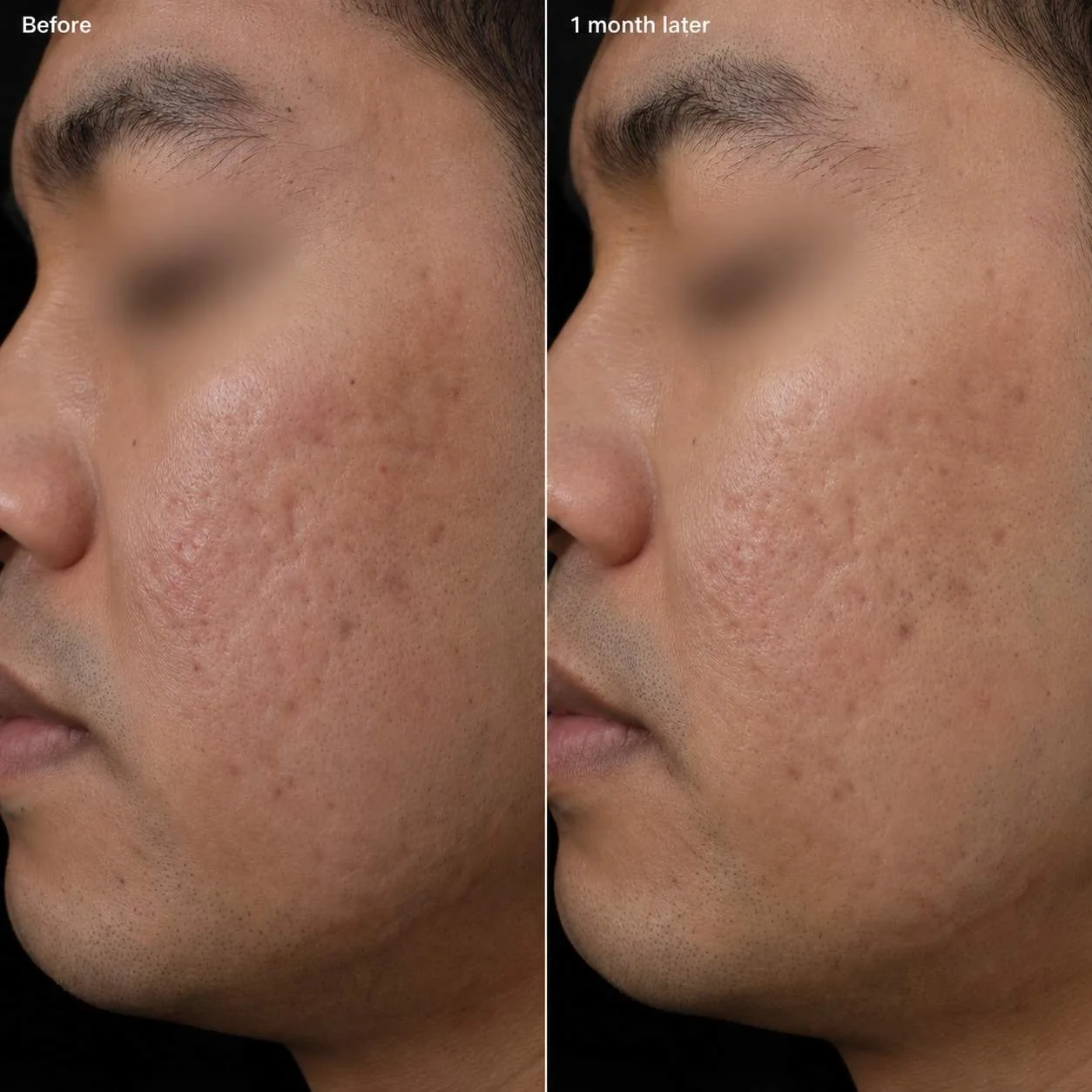
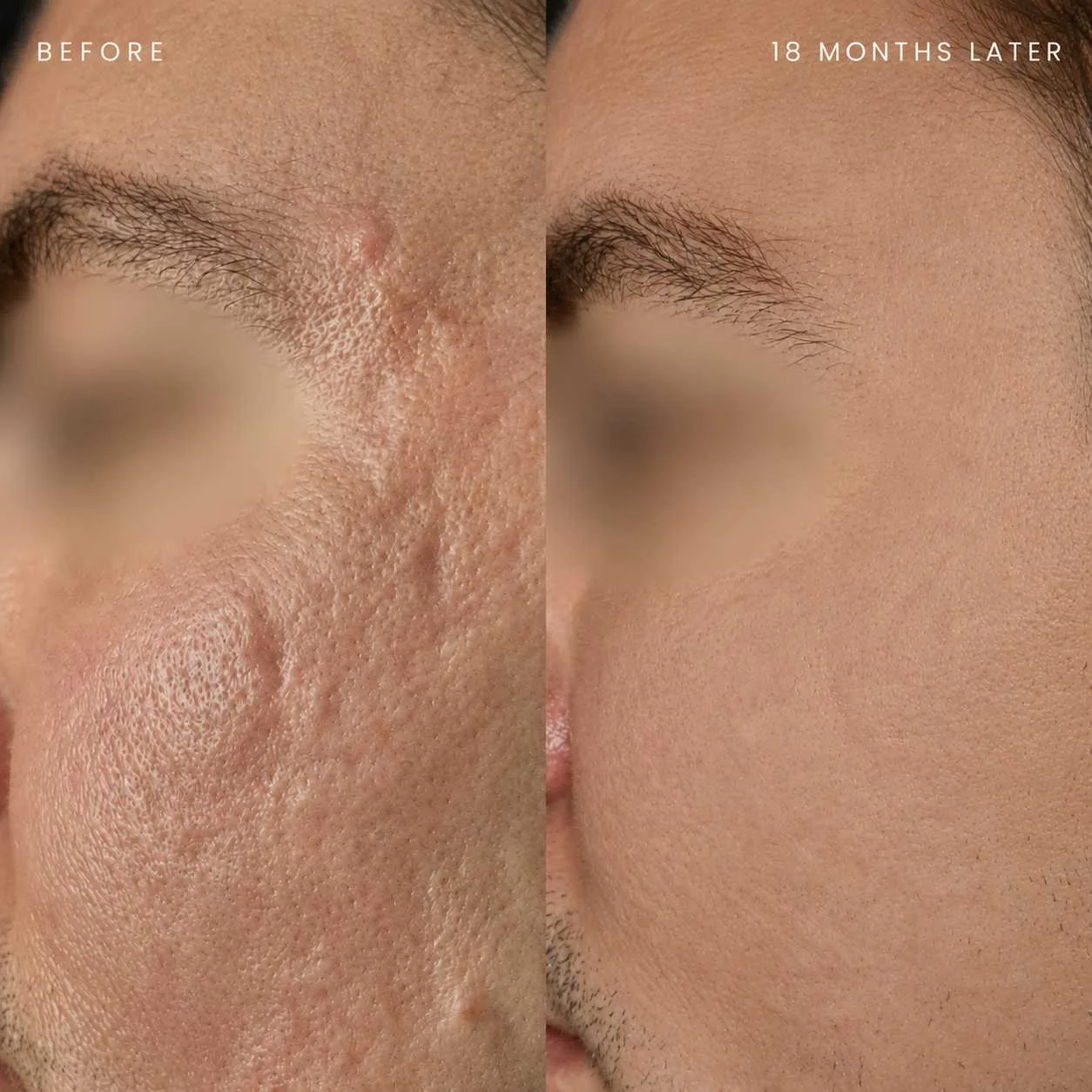
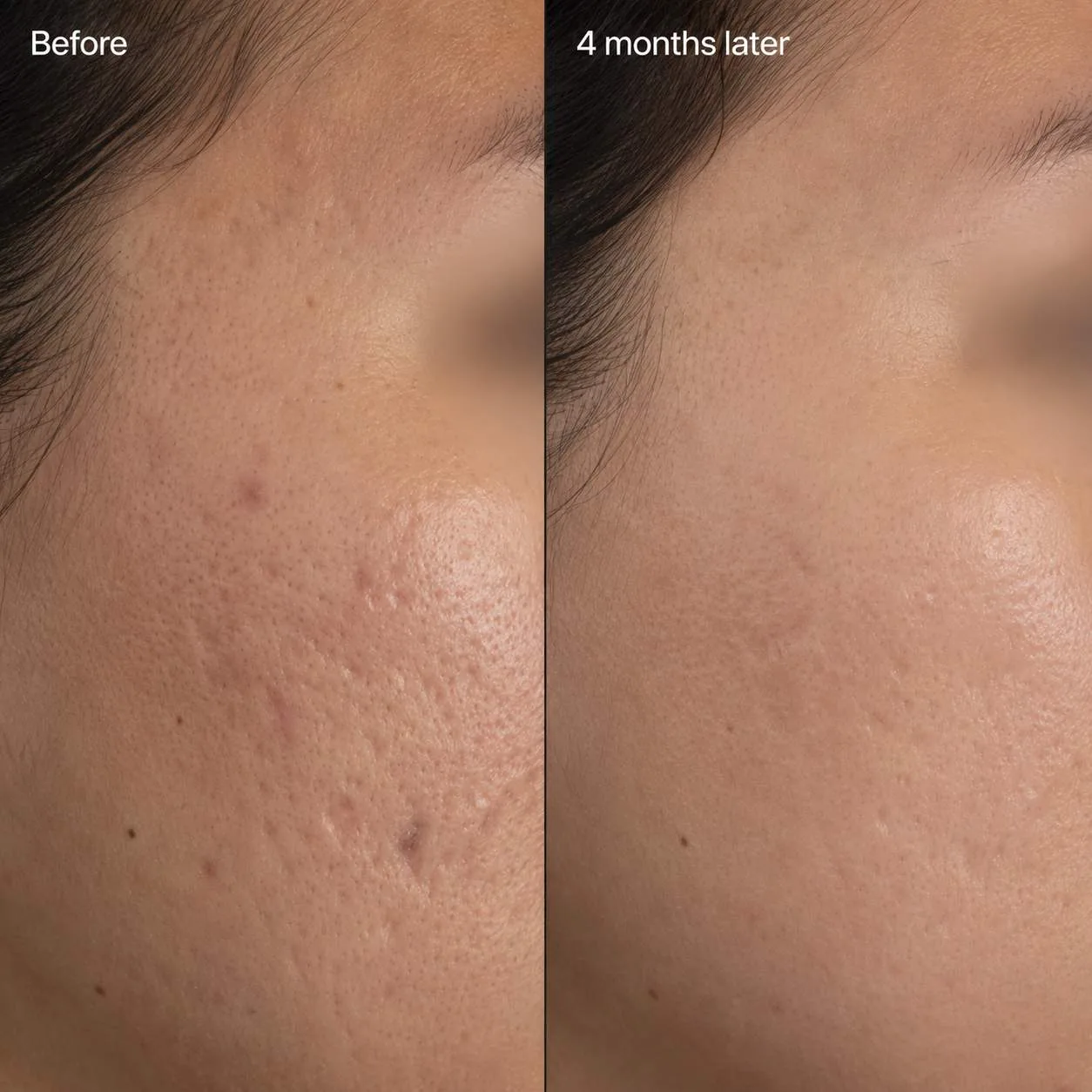
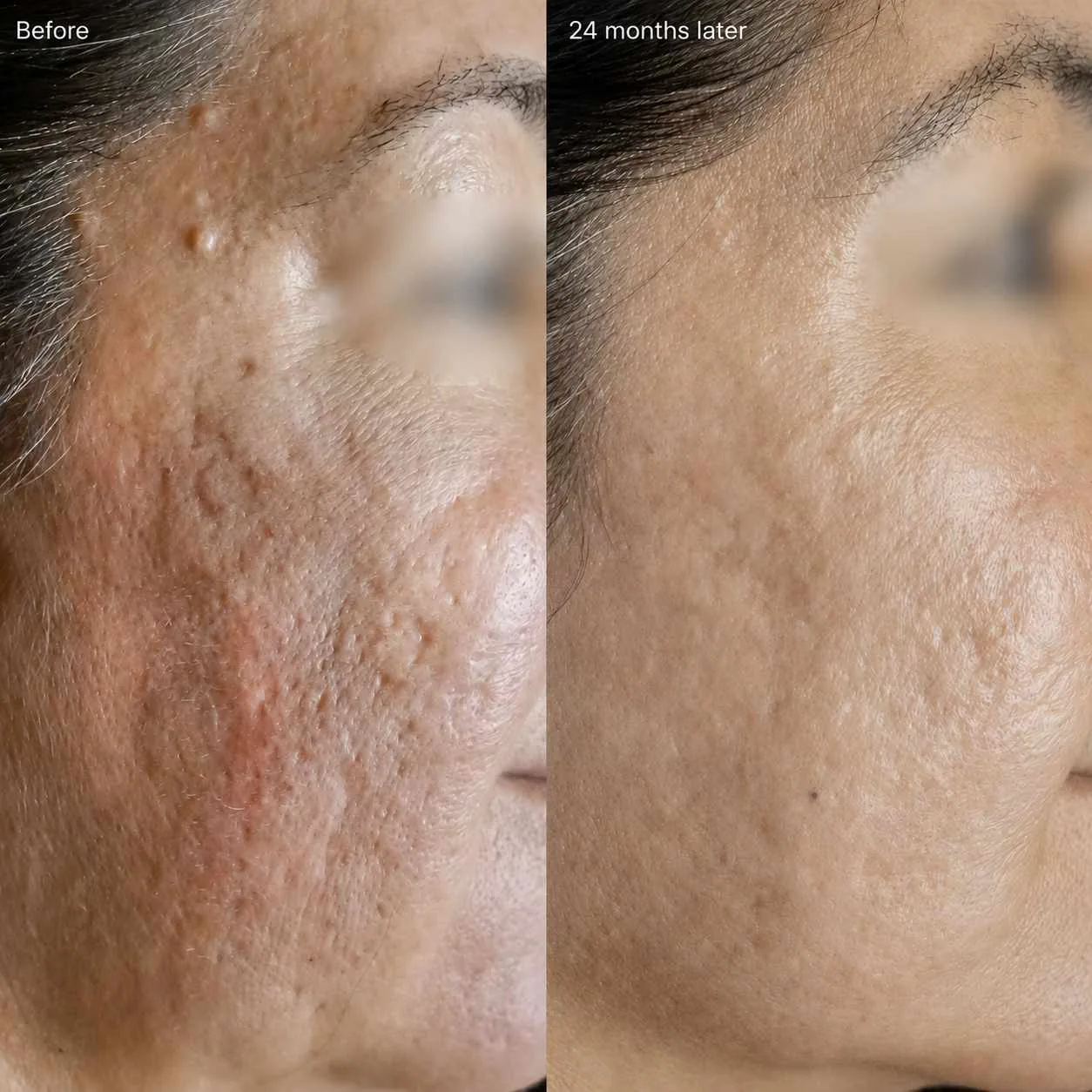
Acne scar before and after treatment
Acne scar before and after result

When the plan goes further

Reconstruction is sometimes part of the answer

Most medspas stop where their equipment ends. We do not. For patients whose treatment plan calls for something beyond what lasers and injectables can accomplish, we work alongside Dr. Jacobson of Adonis Plastic Surgery, a board-certified plastic surgeon with deep experience in facial reconstruction and soft tissue restoration.

One option he brings to the table is fat grafting. A small amount of the patient's own fat is harvested through a minor procedure, refined into a fine injectable concentrate, and placed into depressed or structurally deficient scar tissue. Because the material is the patient's own, there is no risk of rejection and the regenerative properties go beyond what any synthetic filler can provide.

This is not part of every plan. But for patients who need it, having Dr. Jacobson available within the same coordinated care relationship, rather than being referred out to someone unfamiliar with your case, changes what outcomes are possible.

Fat Grafting (Nanofat Grafting)  ·  Dr. Jacobson, Adonis Plastic Surgery

Performed by Dr. Jacobson, a board-certified plastic surgeon at Adonis Plastic Surgery. The patient's own fat is harvested, processed into a cellular concentrate, and injected into scarred tissue to restore volume and support tissue regeneration. Natural, long-lasting, and coordinated directly with the Skin Works team as part of your treatment plan.

Board-certified plastic surgeons

Our affiliated surgeons are trained in facial reconstruction, not just cosmetic procedures. They contribute when a case requires a level of structural correction that medspa treatments alone cannot achieve.

Fat grafting for volume and regeneration

Volume repair using the patient's own processed fat. No synthetic materials, no foreign fillers, no rejection risk. A level of structural correction that most medspas simply cannot offer.

One coordinated plan

Surgical and medspa components are planned together from the start. You do not manage two providers. We coordinate across every step so nothing falls through the gap.

Sequence is everything

Correct the structure first, then resurface. This order is not arbitrary. Getting the sequence wrong limits results regardless of which tools are used or how experienced the provider is.

How it works

From first text to a plan that fits you

No generic protocols, no pressure. Every step starts with understanding your specific situation before recommending anything.

01

Text us to start

Text ACNE SCARS to (844) 759-6757 and we will follow up to schedule your free consultation at Torrance or El Segundo.

02

Free consultation

A provider examines your specific scars and skin tone in person. You get an honest picture of what is driving them, which treatments apply, and what results are realistically achievable.

03

Your plan

You receive a clear, sequenced treatment plan with costs and financing options before anything is scheduled. You decide how and when to proceed.

04

Treatment and follow-through

Sessions are performed by licensed providers. Progress is tracked. The plan adjusts if needed. The goal throughout is real correction, not temporary improvement.

Common questions

What people ask before they start

How do I know which treatment is right for me?

You do not need to figure that out before your consultation. Your provider will examine your scar types, assess your skin tone, and recommend a specific combination based on what will actually work for your situation. What is right for one person may be the wrong starting point for another.

How many sessions will I need?

It depends entirely on your scar depth, type, and how your skin responds. Some structural corrections like subcision or excision are done once. Resurfacing and collagen-building treatments are typically repeated over 3 to 12 months for cumulative improvement. Your plan will include a realistic timeline from the start.

Are these treatments safe for darker skin tones?

Yes, most are. RF microneedling, pico laser, non-ablative lasers, subcision, TCA Cross, Bellafill, and fat grafting are all safe across all skin tones. The one exception is ablative CO2 laser, which is not appropriate for Fitzpatrick IV and above. Your provider will only recommend what is suitable for your skin.

What is fat grafting and will I need it?

Fat grafting, sometimes referred to as nanofat grafting, uses the patient's own fat, refined and injected into areas of structural volume loss from scarring. It is performed by Dr. Jacobson of Adonis Plastic Surgery, a board-certified plastic surgeon who specializes in reconstructive and facial procedures. Most patients do not need it, but for cases involving significant depressed tissue, it can produce results that no filler or laser can replicate. Whether it belongs in your plan is determined at consultation.

What does it cost?

Your consultation is completely free, and that is where pricing becomes meaningful. Until a provider has examined your scars, assessed your skin, and mapped out what your situation actually requires, any number we give you would be a guess. What we can tell you is that you will walk out of that consultation with a clear, specific treatment plan and exact pricing before you commit to anything. No surprises, no pressure. If you want to explore individual treatment costs ahead of time, our service pages include pricing details for each procedure. Financing is also available so that cost does not become the reason you put this off.

What is the downtime?

It varies by treatment. Non-ablative lasers, RF microneedling, and pico laser typically involve 1 to 3 days of redness or mild swelling. Ablative CO2 laser and surgical-level procedures require more recovery, which your provider will detail before anything is scheduled. Many patients work through treatment plans with minimal disruption to their daily routine.

Can I treat active acne and scars at the same time?

Active acne should generally be controlled before scar treatment begins, because new damage during treatment limits outcomes. If you are dealing with both, your provider will build a plan that addresses both rather than ask you to wait indefinitely on the scars.

Financing available

A complete acne scar treatment plan is a meaningful investment. We offer patient financing so you can start the right plan now rather than a limited plan later. Ask about your options at the consultation.

The scars are not going anywhere on their own.

Text us to get started. We will reach out quickly to schedule your free consultation at our Torrance or El Segundo location. No pressure, no obligation.

Text ACNE SCARS to (844) 759-6757

Torrance  |  El Segundo  |  (844) 759-6757