01
Identify the scar pattern first
Icepick, boxcar, rolling, hypertrophic and keloid scars behave differently. Many patients have more than one type at the same time.
Acne scars are structural changes in the skin. Icepick, boxcar, rolling and raised scars do not respond to the same treatment, which is why our approach begins with scar type, skin tone, treatment history and realistic goals.
No purchase obligation. Treatment recommendations and results vary by patient.

Different scar patterns require different treatment combinations. These examples show why scar correction is planned around the individual rather than one universal procedure.
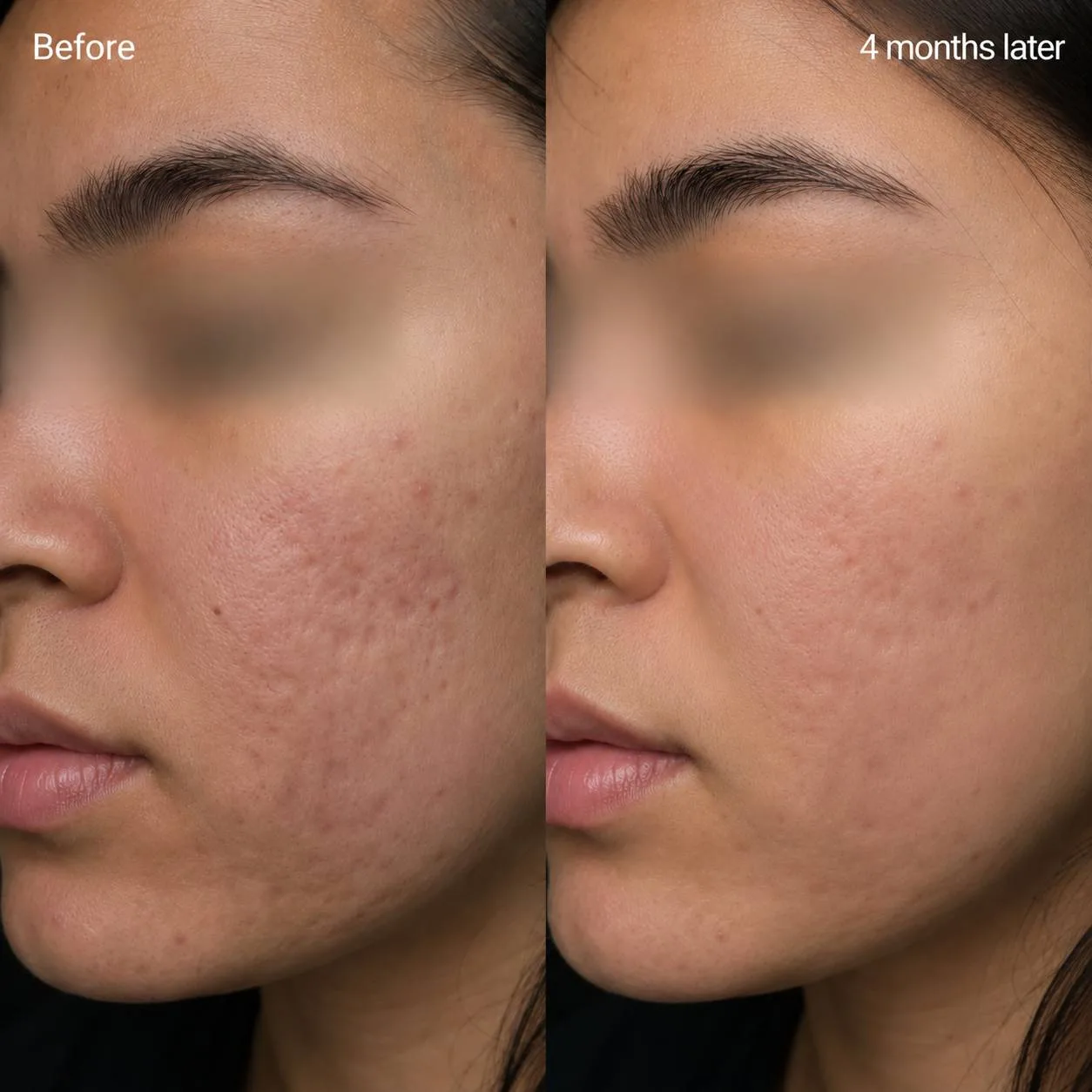
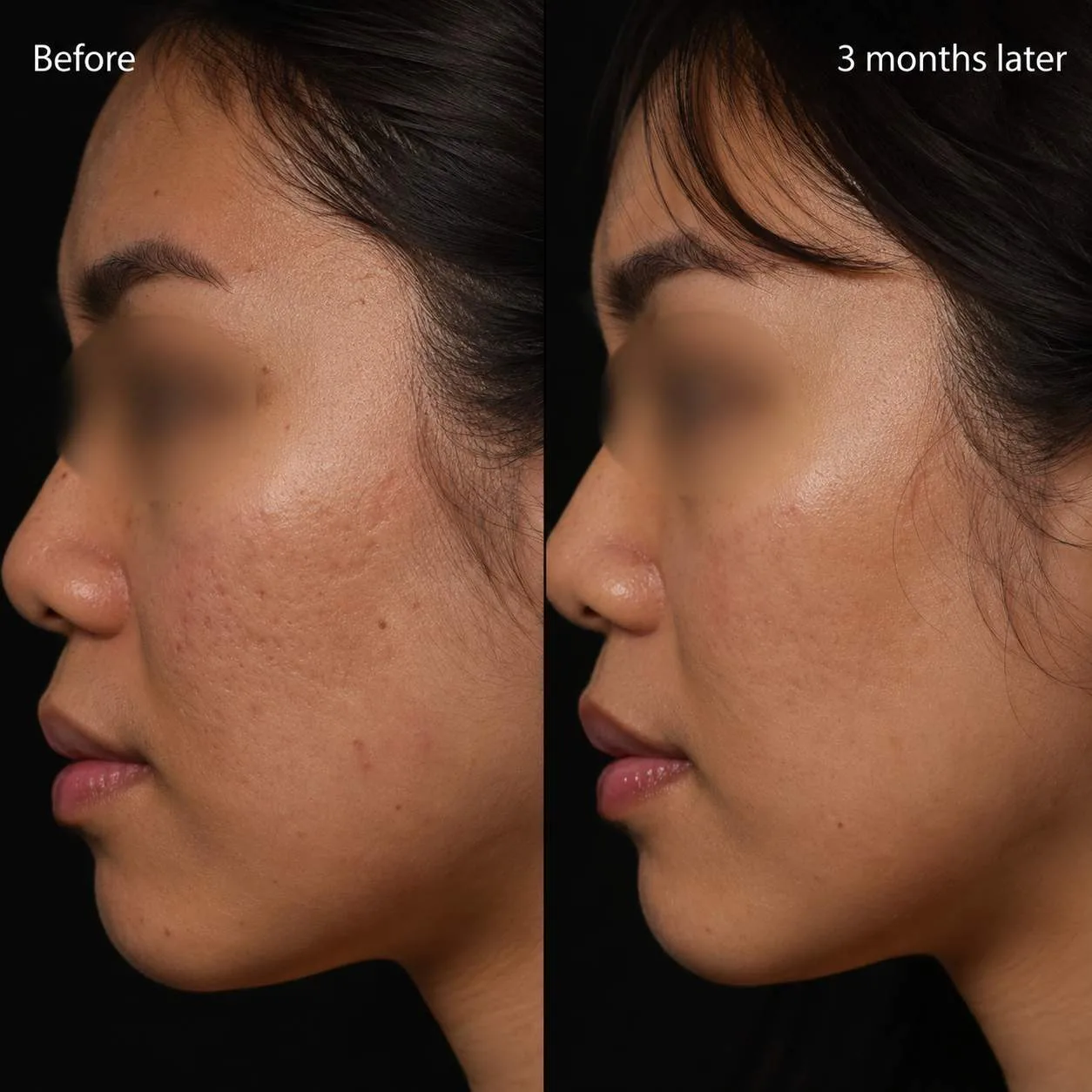
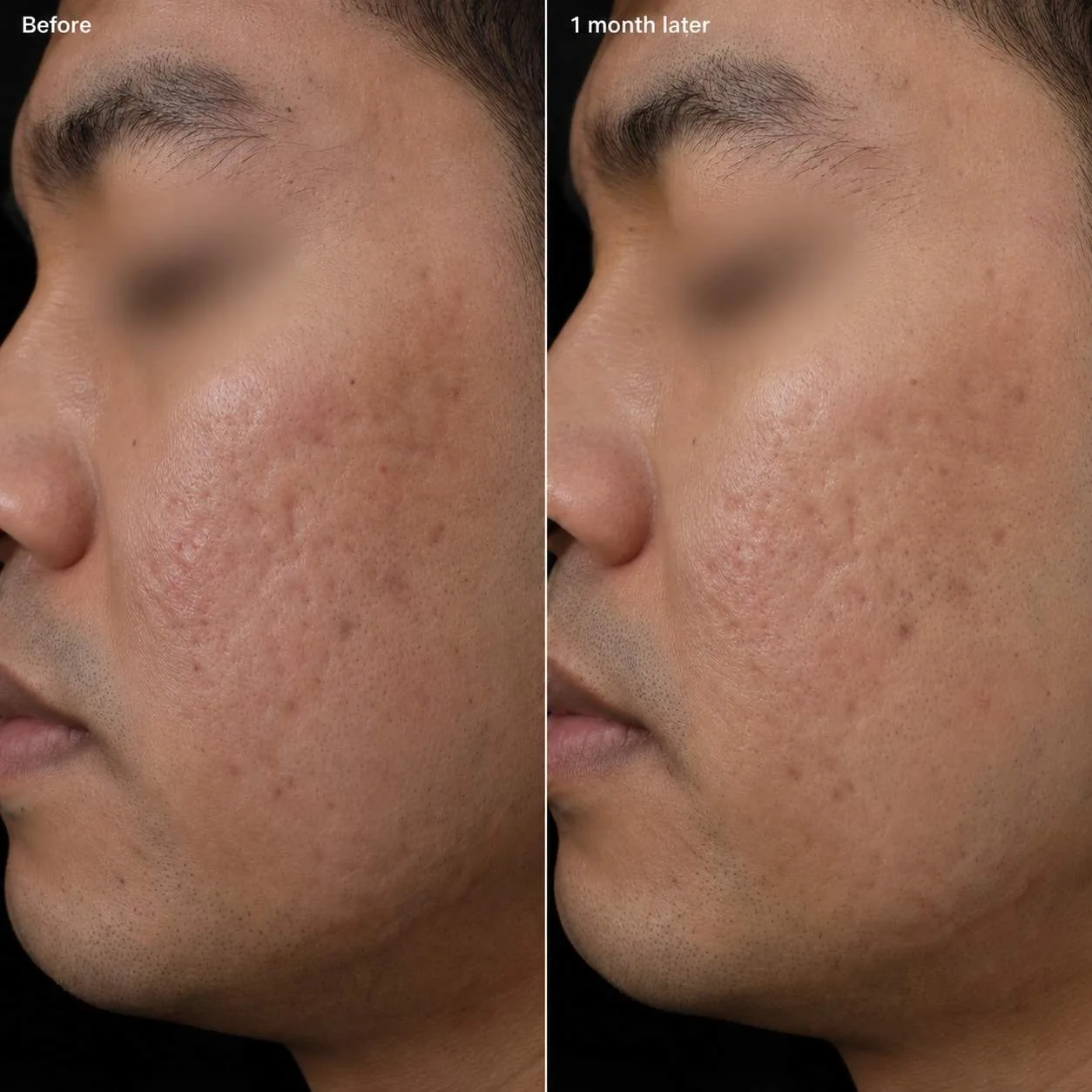
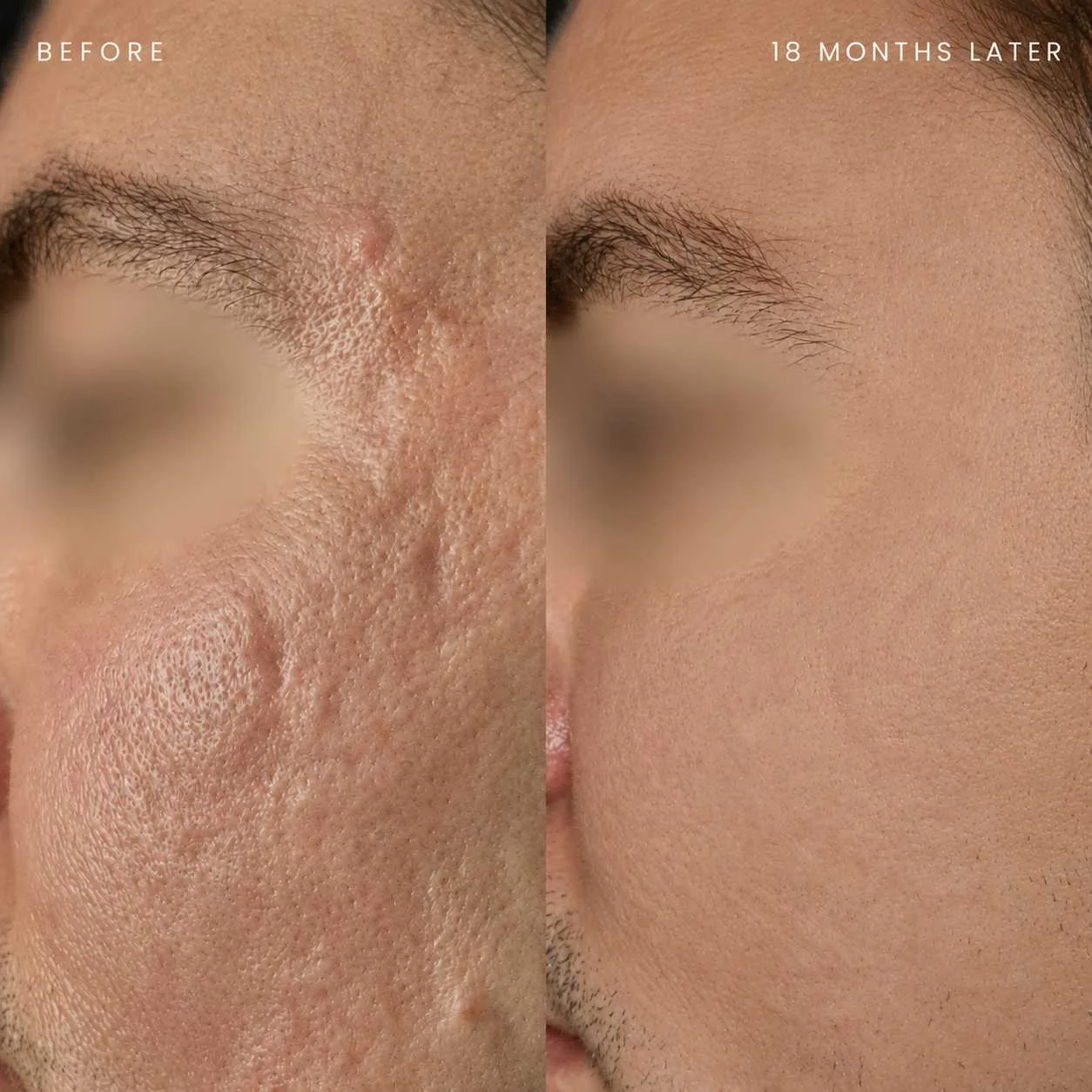
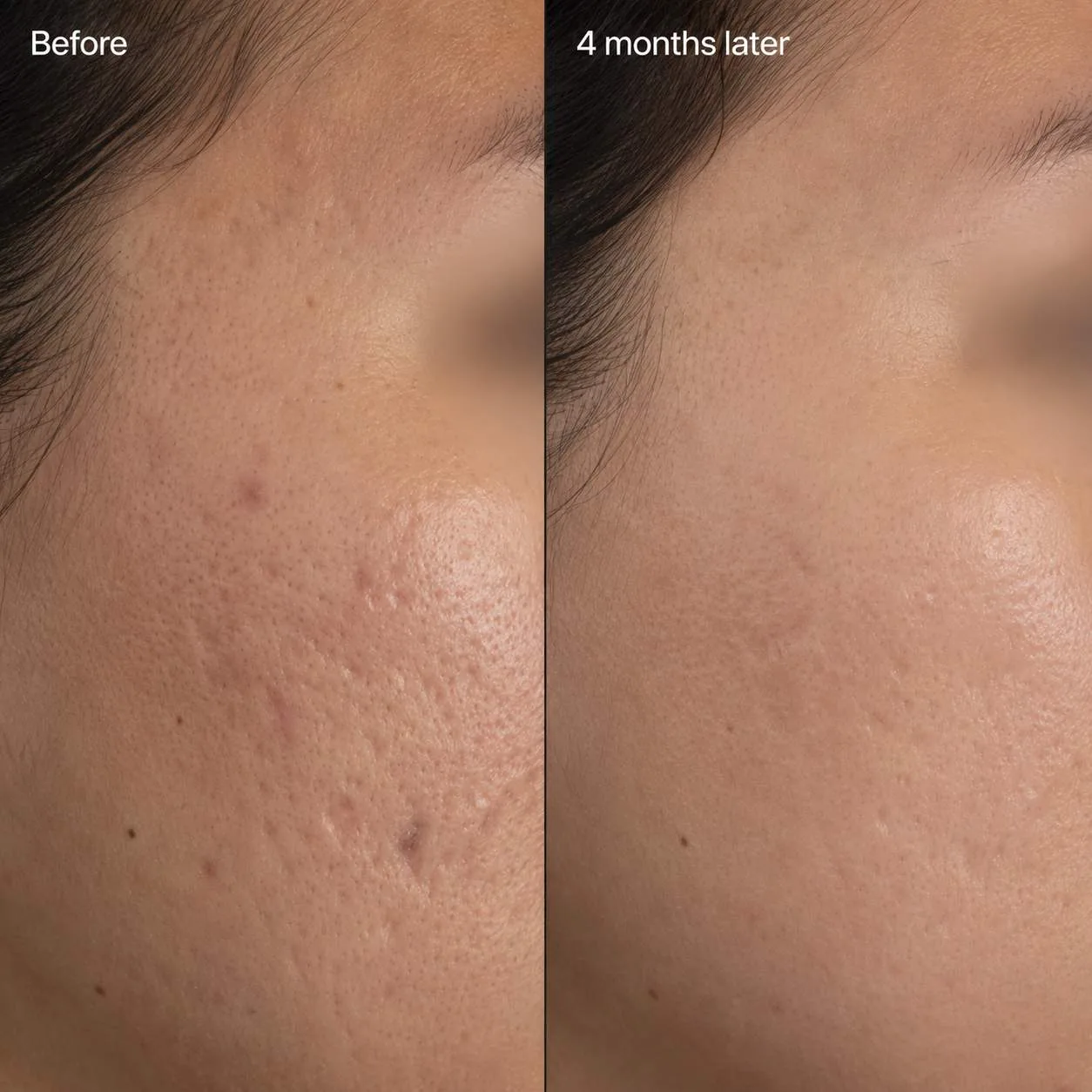
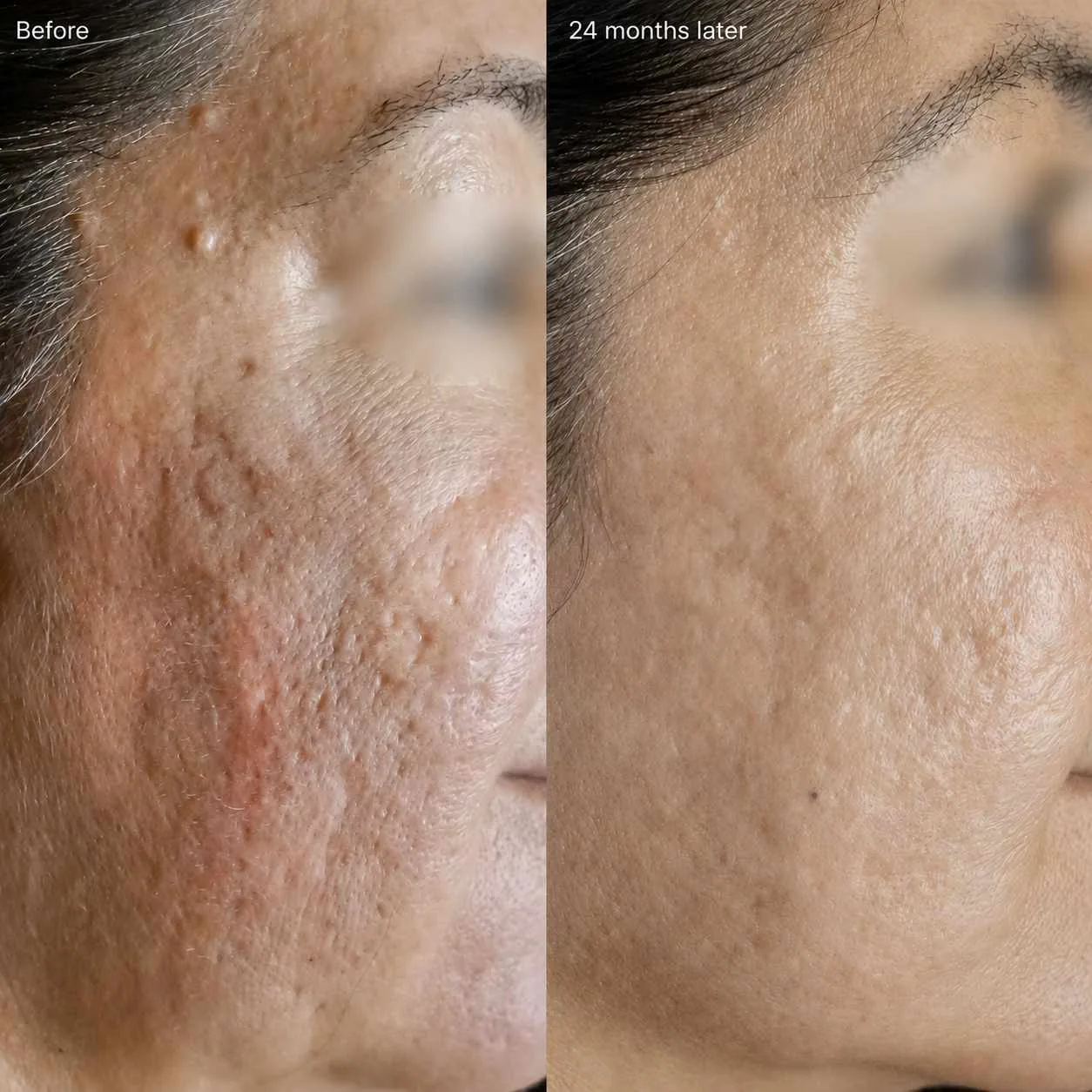
Individual results vary. Treatment combinations and timelines shown are specific to the cases pictured.
Acne scars form when inflammation changes the way skin repairs itself. Some scars are depressed, some are tethered beneath the surface, some are narrow and deep, and some are raised. That difference determines which treatments are relevant and in what order.
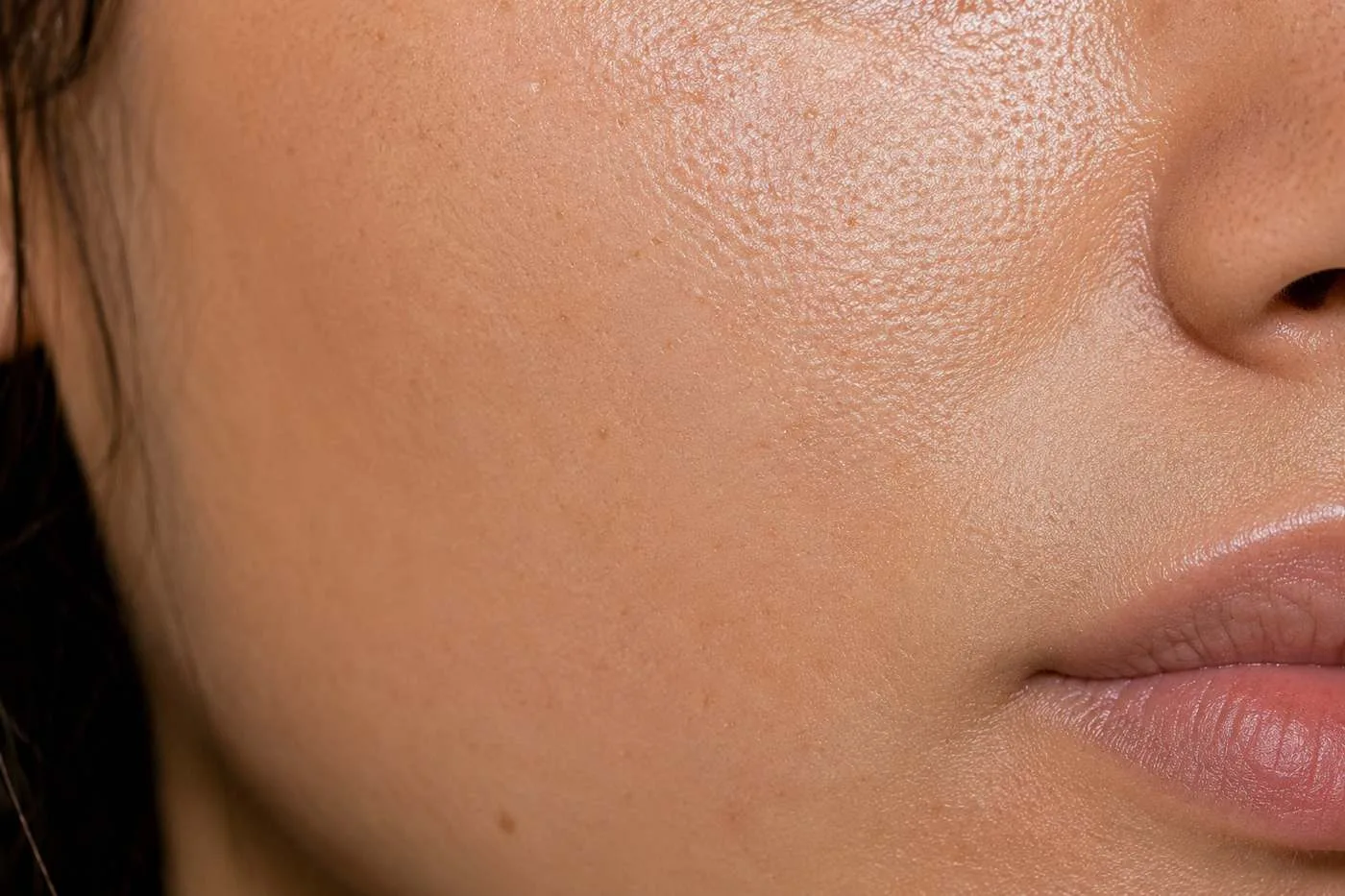
Icepick, boxcar, rolling, hypertrophic and keloid scars behave differently. Many patients have more than one type at the same time.
A tethered rolling scar may need release. A narrow icepick scar may need focal treatment. Broader texture may respond better to resurfacing or collagen remodeling.
Laser wavelength, energy level, resurfacing intensity and pigment risk all matter. The safest plan is selected after evaluating the individual skin type.
Structural correction may need to happen before resurfacing. Active acne may need control before scar work. The order can matter as much as the device.
Scar type is one of the first things evaluated because it helps determine which treatments are relevant and which ones are unlikely to do enough.
Narrow, deep channels extending into the dermis. They often need focal treatment such as TCA CROSS or selected punch techniques before broad resurfacing can do its best work.
Broad depressions with more defined edges. Depth matters, and deeper boxcar scars may need structural support or focal correction in addition to resurfacing.
Soft, wave-like depressions often associated with fibrous bands tethering the skin downward. Subcision can be useful when that tethering is a major part of the problem.
Raised scar tissue that stays within the original area of injury. These scars require a different strategy from depressed scars and are evaluated separately.
Raised scars that extend beyond the original injury boundary. They can recur and typically require a careful, staged treatment approach.
Dark marks left after acne heals are not structural scars, but they commonly appear alongside scarring and may need their own pigment-focused treatment plan.
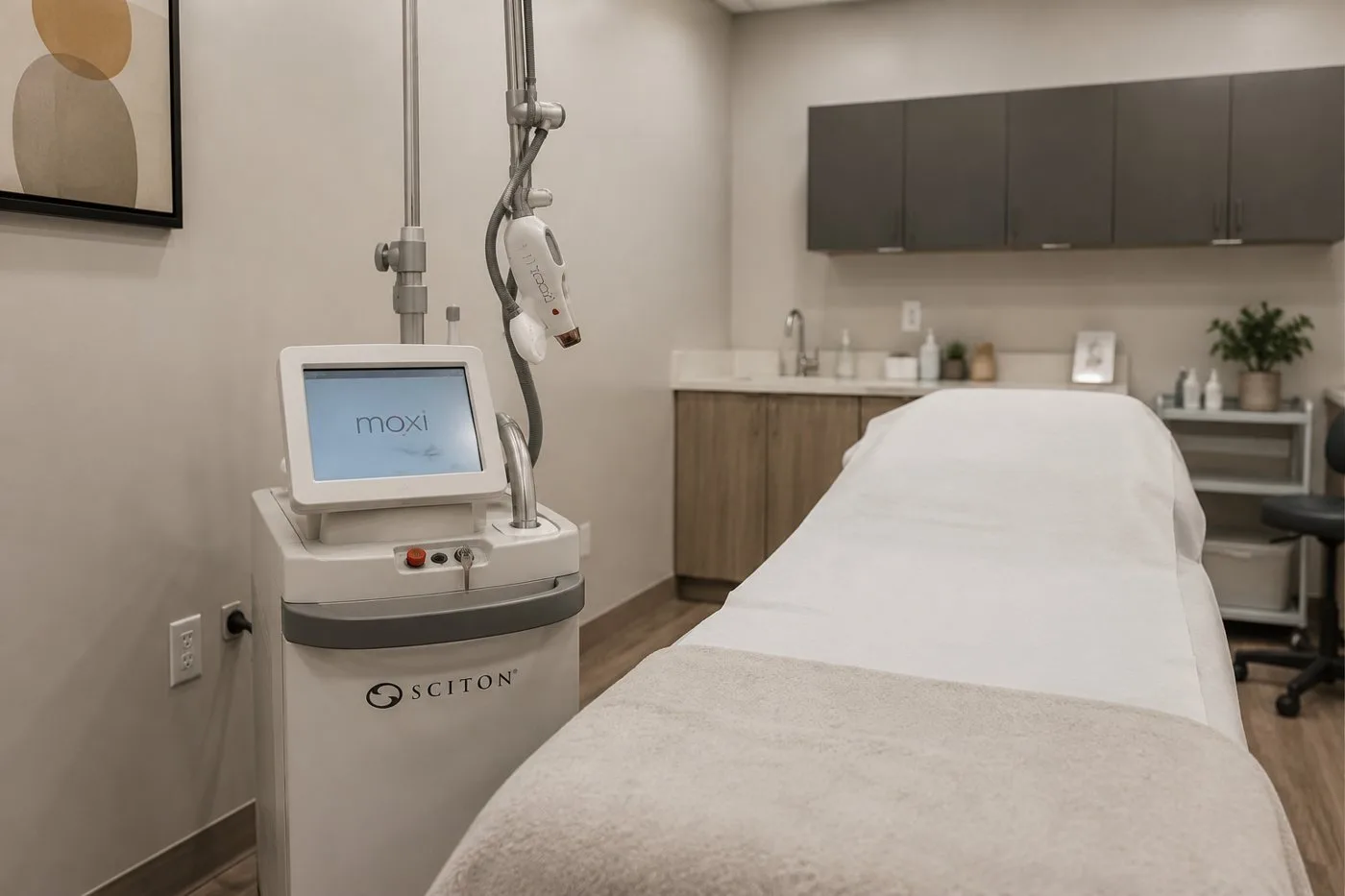
There is no single acne-scar treatment. The right combination depends on scar type, depth, skin type, prior treatment and how much downtime makes sense for you.
Ablative resurfacing creates controlled injury in the skin to stimulate renewal and collagen remodeling. These treatments can be strong options for selected scar patterns, with candidacy based on skin type, pigment risk and recovery tolerance.
Picosecond technology delivers extremely short energy pulses. Depending on wavelength and settings, Pico treatments can address post-acne pigment and support texture-focused remodeling with less sustained thermal exposure than some traditional lasers.
Non-ablative laser treatments heat tissue beneath the skin surface without removing the outer layer. They may support collagen remodeling with less downtime than deeper ablative resurfacing.
RF microneedling combines controlled needling with radiofrequency energy delivered into the dermis to stimulate collagen remodeling. Skin Works works with Pixel8, Morpheus8 and Potenza, with device availability varying by location.
Medical-grade peels can help improve superficial texture, tone and post-acne discoloration. TCA CROSS is a focal technique used in selected deep scars, commonly icepick scars, to stimulate localized remodeling.
Bellafill is a PMMA/collagen filler that may be considered for selected atrophic acne scars. Its FDA acne-scar indication is specific, so scar type, location and candidacy are evaluated before it is recommended.
Subcision is used for selected rolling or tethered scars. A needle or cannula is passed beneath the scar to release fibrous attachments pulling the skin downward, allowing the area to lift before or alongside other treatment.
Some deep focal scars extend too far into the dermis for surface treatment alone. Selected scars can be treated with punch excision or related focal techniques before later resurfacing is considered.
For selected patients with deeper structural volume loss, autologous fat grafting may be considered. This is a surgical-level treatment and is evaluated separately through Adonis Plastic Surgery when appropriate.
Most acne-scar plans do not require surgery. For selected patients whose scar pattern calls for deeper structural correction, Skin Works can coordinate evaluation with Adonis Plastic Surgery in Torrance for options such as scar excision or fat grafting.
Visit Adonis Plastic Surgery →You do not need to know which procedure you need before you arrive. Start with the concern. The treatment plan comes after the assessment.
We review the scars you want to improve, your treatment history, skin considerations and goals.
Your provider identifies the dominant scar types and the factors that affect treatment selection.
You receive a recommended sequence, expected downtime, pricing and realistic expectations before deciding how to proceed.
Progress is reassessed as the skin heals and remodels so the plan can be adjusted when appropriate.
Acne-scar treatment can range from a focused single procedure to a multi-step combination plan. Your consultation allows the team to price what is actually relevant instead of giving you a generic number.
Eligible treatments may qualify for third-party financing or payment-plan options. Terms and approval vary.
Individual treatment recommendations are made after an in-person assessment.
You do not need to decide in advance. Scar type, depth, tethering, pigmentation, skin tone, active acne, previous treatments and downtime tolerance all influence the recommendation.
There is no universal number. Some structural procedures may be performed once, while resurfacing and collagen-remodeling treatments are often repeated over several months.
Yes, but not every laser or setting is appropriate for every skin tone. Pigment risk is considered when selecting the treatment technology and intensity.
It varies by treatment. Some procedures involve temporary redness or swelling, while deeper resurfacing and surgical procedures require a longer recovery.
Sometimes both can be addressed within the same overall plan, but significant active acne may need to be controlled before aggressive scar correction begins.
Complete removal cannot be guaranteed. The goal is meaningful improvement in depth, texture, shadowing, pigment and overall skin quality.
Pricing depends on the actual treatment plan. A plan using RF microneedling is different from one involving subcision, resurfacing, Bellafill or surgical correction.
That is exactly what the consultation is for. You can start with the concern and let the provider identify the scar pattern before discussing treatment.
Book a complimentary consultation and leave with a clearer understanding of your scar type, the options that may fit, and what a realistic treatment sequence could look like.
This page is for general informational purposes and does not replace an individual medical evaluation. Treatment candidacy, risks, downtime and results vary by patient. Before-and-after images are examples and do not guarantee a specific result.