Injectable Volume Comparison
Sculptra vs. Radiesse vs. HA Filler: How Each One Restores Volume
HA filler, Sculptra and Radiesse are often grouped together as “filler,” but they restore volume in three different ways. One fills the hollow directly. One prompts your skin to rebuild collagen over a few months. One does a bit of both. Knowing which is which makes it much easier to understand what a provider recommends and why.
THE SHORT ANSWER
HA filler is a hydrating gel that fills a hollow immediately, and it is the only one of the three that can be dissolved.
Sculptra is a collagen stimulator. Results build gradually over a series of sessions and can last up to about 2 years.
Radiesse gives visible lift right away, then stimulates new collagen as it is absorbed.
No universal winner. The right choice depends on the area, the amount of support needed and whether you want change today or over months.
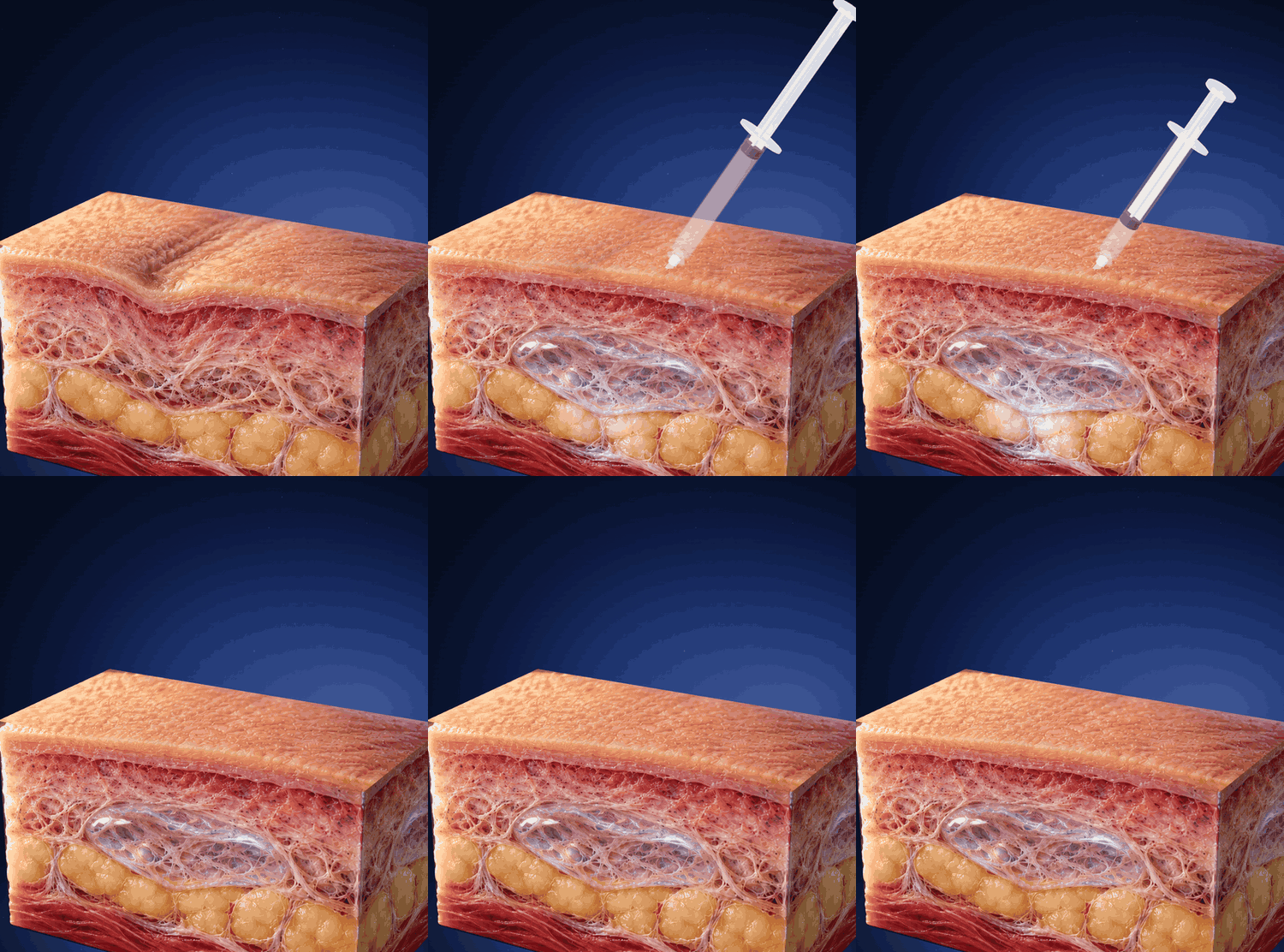
HA Filler vs. Sculptra vs. Radiesse at a Glance
| HA filler | Sculptra | Radiesse | |
|---|---|---|---|
| What it is | Hyaluronic acid gel | Poly-L-lactic acid (PLLA) microparticles | Calcium hydroxylapatite (CaHA) microspheres in gel |
| How it works | Fills the hollow and draws in water | Prompts your skin to build new collagen | Lifts right away, then stimulates collagen |
| When you see results | Immediately | Gradually, starting around 1 month | Immediately, then builds |
| Typical duration | About 6 to 18 months, by product and area | Up to about 2 years | About 12 to 18 months |
| Can it be dissolved? | Yes, with hyaluronidase | No | No |
| Typical sessions | Usually 1 | Usually 2 to 3 | Usually 1 |
Why Volume Fades in the First Place
A youthful face is supported from underneath. With time, the skin produces less collagen, the protein that keeps it firm, and the fat pads beneath it shrink and shift downward. Together, those changes show up as hollows and folds in places like the temples, cheeks, under-eyes and smile lines.
That is why the three options work at different levels. HA filler replaces the missing volume directly. Sculptra and Radiesse go further and ask the skin to rebuild some of its own support. If you want to understand the collagen side in more depth, our guide on how to boost collagen production covers it.
#1 · HA FILLER
HA Filler: Instant Volume With an Undo Option
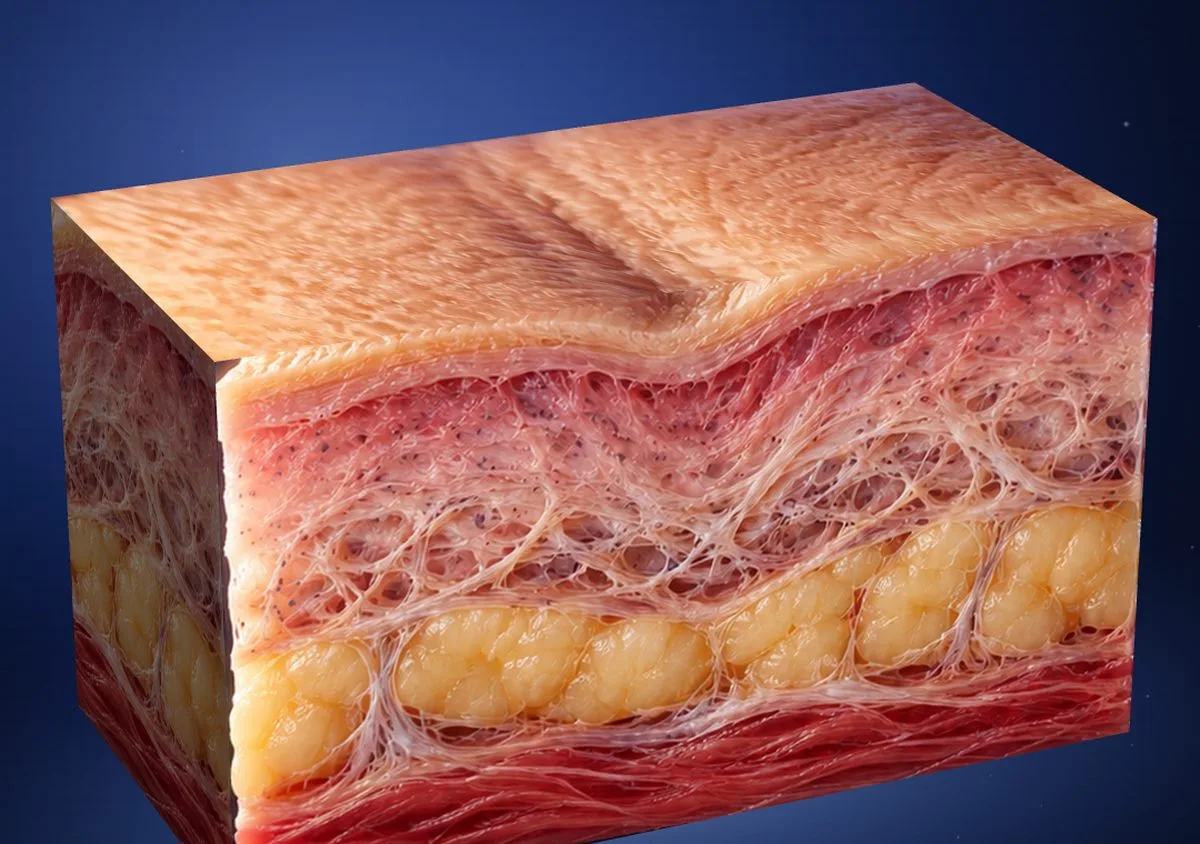
Hyaluronic acid is a sugar your body already makes, and it holds a lot of water. HA fillers, from families such as JUVÉDERM and Restylane, are smooth gels placed exactly where volume is missing. The gel fills the hollow on contact and attracts moisture, so the change is visible the same day.
Different HA products are made with different firmness, which is why one may suit lips and another suits cheeks. Our comparisons of JUVÉDERM vs. Restylane and Voluma vs. Vollure vs. Volbella go product by product.
Good to know: HA is the only one of the three that can be dissolved. An enzyme called hyaluronidase breaks it down if it ever needs adjusting, and your body also breaks HA down naturally over time.
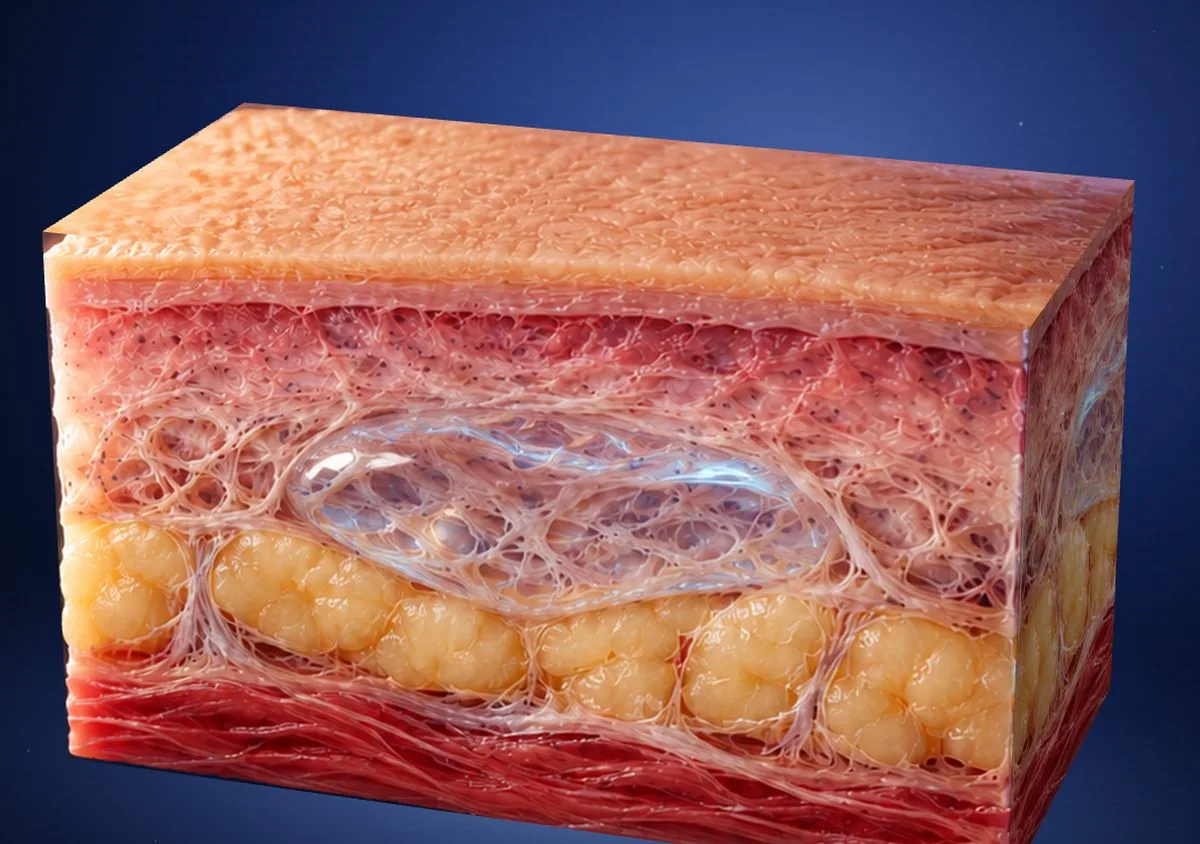
Commonly used for lips, cheeks, under-eye hollows, smile lines, the chin and the jawline. For product-by-product timelines, see how long JUVÉDERM lasts.
#2 · SCULPTRA
Sculptra: The One That Works on a Delay
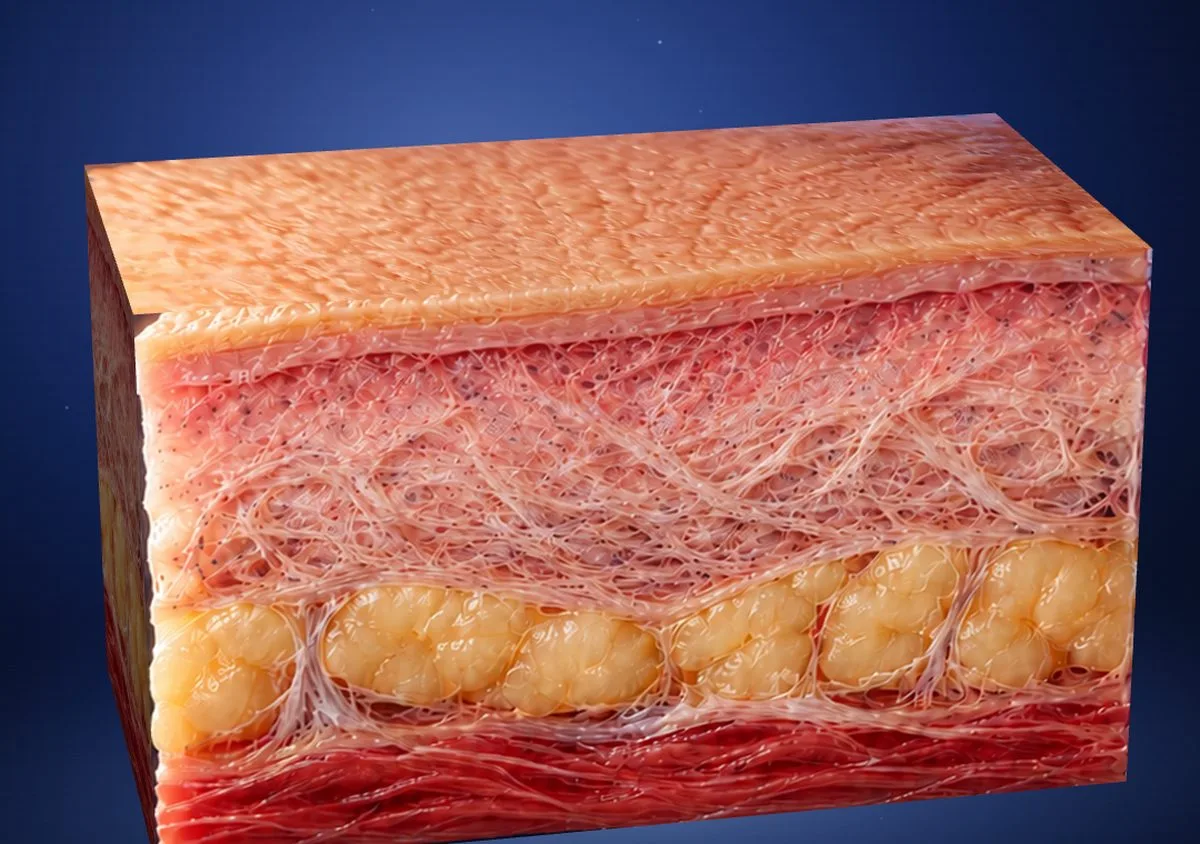
Sculptra is not a filler in the usual sense. It is a collagen stimulator made of tiny particles of poly-L-lactic acid (PLLA). Placed in the deeper layers of the skin, the particles trigger a mild healing response in which your own cells lay down new collagen. The particles are gradually absorbed, and the new collagen remains.
Because the body does the building, there is little visible change on day one. Most people begin to notice results within about a month, and they continue to build from there. A typical plan is 2 to 3 sessions spaced at least 3 to 4 weeks apart, and results can last up to about 2 years.
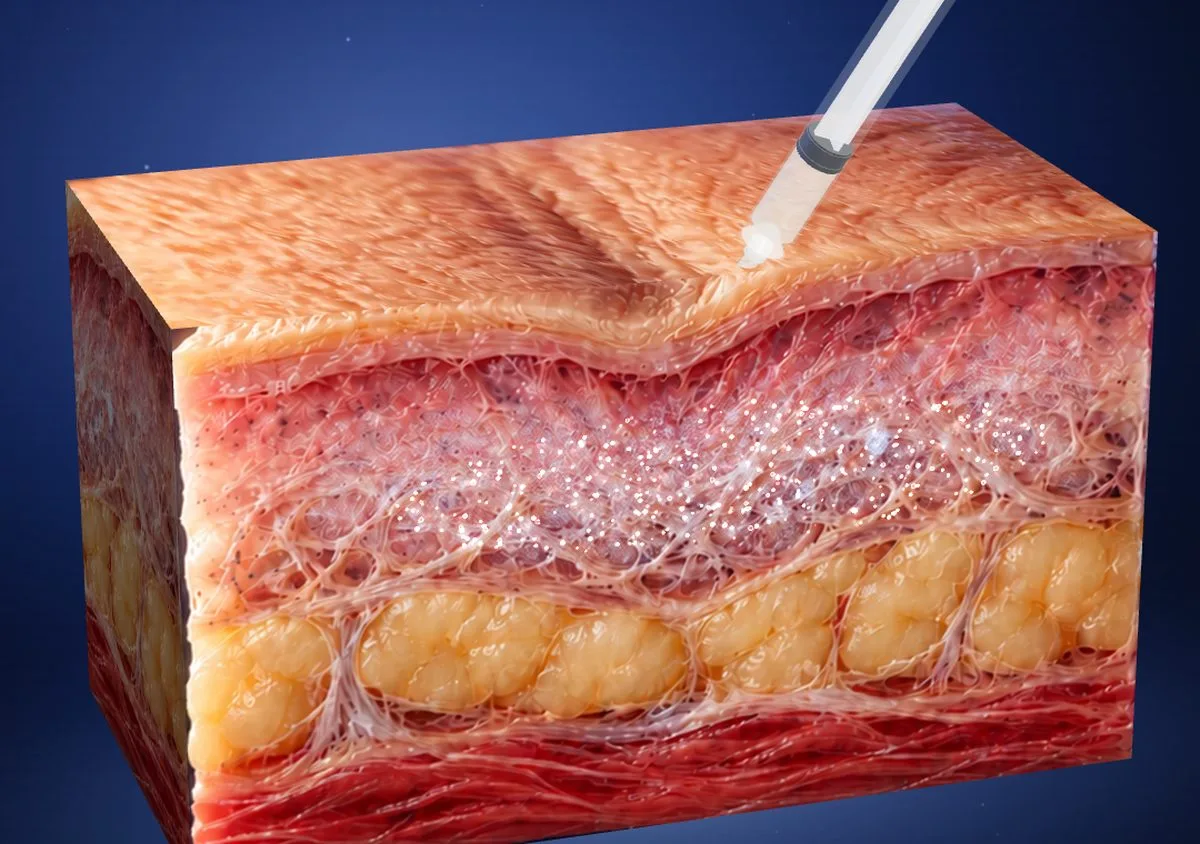
Sculptra is often chosen for broader, overall facial volume rather than one precise detail. Your provider may also give specific aftercare, such as massaging the treated area for several days.
Not sure which one fits your face?
Text us a few photos of the area you’d like to improve. Our injectors will take a look and tell you which option, or combination, could work for you.
Text Us Your PhotosView Dermal Filler Options Or text (844) 759-6757#3 · RADIESSE
Radiesse: Lift Now, Collagen Later
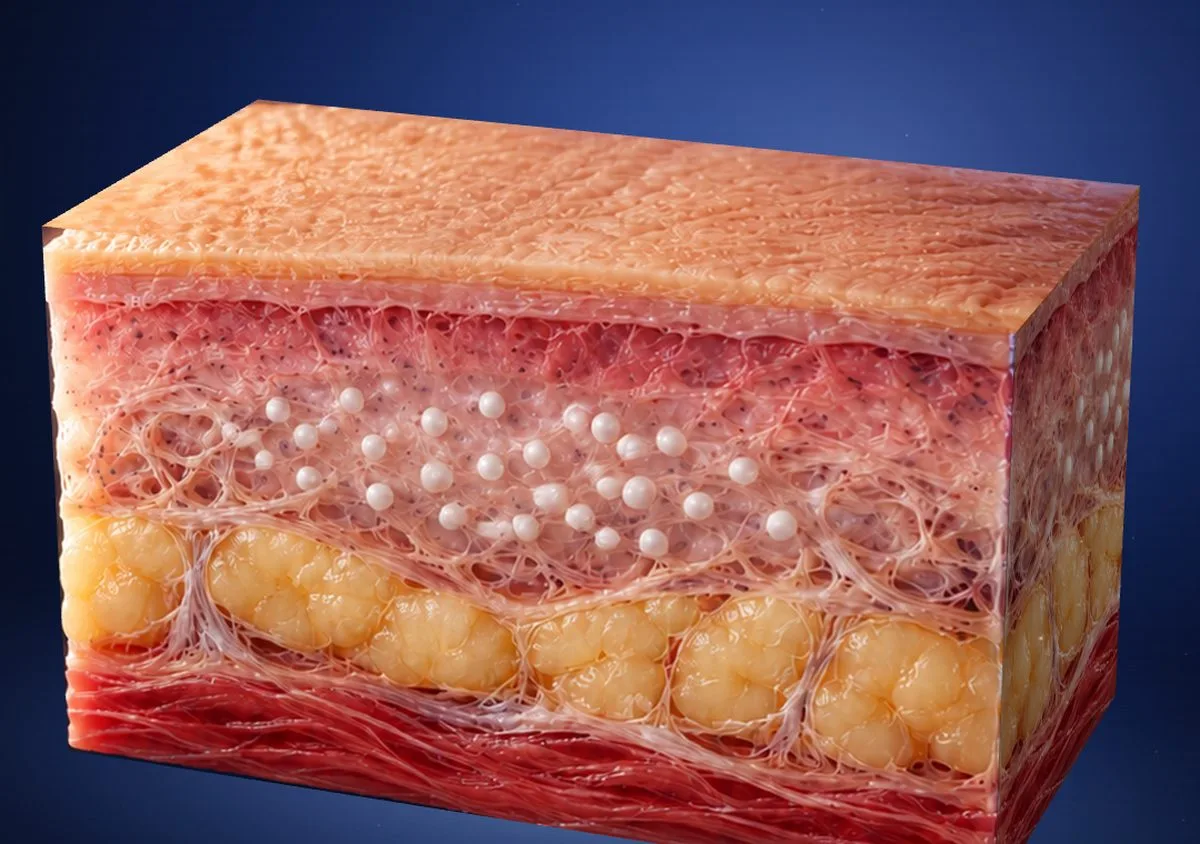
Radiesse is made of microspheres of calcium hydroxylapatite (CaHA), a mineral similar to one found naturally in the body, suspended in a smooth gel. The gel gives visible lift at the time of treatment. As it dissipates, the microspheres stay in place and activate the cells that produce collagen. Over time the body absorbs the microspheres, while the new collagen helps maintain the result.
Because Radiesse is firmer than most HA gels, it suits structural work such as lifting the cheeks or defining the jawline. It is FDA-approved for facial wrinkles and folds and for restoring volume in the backs of the hands. It is not used in the lips, and it cannot be dissolved the way HA can, so careful placement matters.
For hand volume specifically, our guide on how to rejuvenate aging hands compares the options.
Which One Fits Your Goal?
| Main goal | Common starting point | Why |
|---|---|---|
| Fuller or more defined lips | HA filler | Soft, precise and reversible. Radiesse is not used in lips. |
| Under-eye hollows | HA filler | Specific soft HA products are designed for this delicate area. |
| Overall facial volume loss | Sculptra | Gradual, natural-looking support built from your own collagen. |
| Cheek lift or jawline structure | Radiesse | Firm, lifting support. Structural HA products are an alternative. |
| Volume loss in the hands | Radiesse | FDA-approved for the backs of the hands. |
| First time, want flexibility | HA filler | Results are immediate and can be adjusted or dissolved. |
Many faces do best with a combination, such as a collagen stimulator for overall support and HA for details. Our guides to facial balancing in Torrance and El Segundo show how these pieces fit together.
What Are the Main Risks?
All three are injectable medical treatments, and the risks are similar in kind. Short-term swelling, tenderness, redness and bruising are common and usually settle within a few days. Small bumps or nodules can occur, and they are a particular consideration with collagen stimulators such as Sculptra and Radiesse. The most serious risk with any filler is accidental injection into a blood vessel, which is rare but needs immediate care.
This is one reason HA is often preferred for higher-risk areas: if a problem occurs, hyaluronidase can dissolve it. With any of the three, the injector’s anatomy knowledge and technique matter more than the product name.
Current Skin Works Pricing
| Treatment | Regular price | Unit |
|---|---|---|
| HA filler (JUVÉDERM and Restylane families) | $600 to $880 | Per syringe, by product |
| Sculptra | $700 | Per vial, 2 to 3 sessions recommended |
| Radiesse | $800 | Per 1.5 ml syringe |
The amount you need depends on the area and your goals, which is decided at your consultation. Prices were checked against our dermal filler page in October 2026 and may change. For current offers, see our specials. All three are available at both our Torrance and El Segundo locations.
Frequently Asked Questions
Is Sculptra a filler?
Not in the traditional sense. Sculptra is a collagen stimulator. Instead of filling a hollow directly, it prompts your skin to build new collagen gradually.
Which lasts longest: HA filler, Sculptra or Radiesse?
Sculptra results can last up to about 2 years. Radiesse typically lasts about 12 to 18 months, and HA fillers about 6 to 18 months depending on the product and area.
Can Sculptra or Radiesse be dissolved?
No. Only HA filler can be dissolved, using an enzyme called hyaluronidase. Sculptra and Radiesse are absorbed by the body over time.
Why don’t I see Sculptra results right away?
Because your body builds the collagen. Most people start to notice change within about a month, with results continuing to develop over a series of sessions.
Can Radiesse be used in the lips?
No. Lips are treated with soft HA fillers designed for that area.
Can HA filler, Sculptra and Radiesse be combined?
Yes. Combining a collagen stimulator for overall support with HA for precise areas is a common approach, planned around your anatomy and goals.
Is there downtime?
Most people return to normal activities right away. Some swelling, tenderness or bruising for a few days is common with any injectable.
Sources & Medical References
- U.S. Food and Drug Administration. FDA-Approved Dermal Fillers.
- U.S. Food and Drug Administration. Dermal Fillers (Soft Tissue Fillers).
- American Society of Plastic Surgeons. Risks and Rewards: What to Know About Dissolving Filler.
- Galderma. Sculptra Aesthetic: Frequently Asked Questions.
- van Loghem J, Yutskovskaya YA, Werschler WP. Calcium Hydroxylapatite: Over a Decade of Clinical Experience. J Clin Aesthet Dermatol. 2015;8(1):38–49.
- Unveiling the Mechanism: Injectable Poly-L-Lactic Acid’s Evolving Role. Insights From Recent Studies. J Cosmet Dermatol. 2025.
This article is for education and does not replace an in-person medical assessment. FDA-approved indications are specific to each product and treatment area, and any off-label use should be discussed openly with a qualified injector. Results and longevity vary from person to person. Illustrations are simplified for education.